Growth Without Jobs: The Structural Contradiction in Today’s Economy Why a swelling GDP is not the same thing as a healthy labor market—and why leaders can’t afford to ignore the gap.
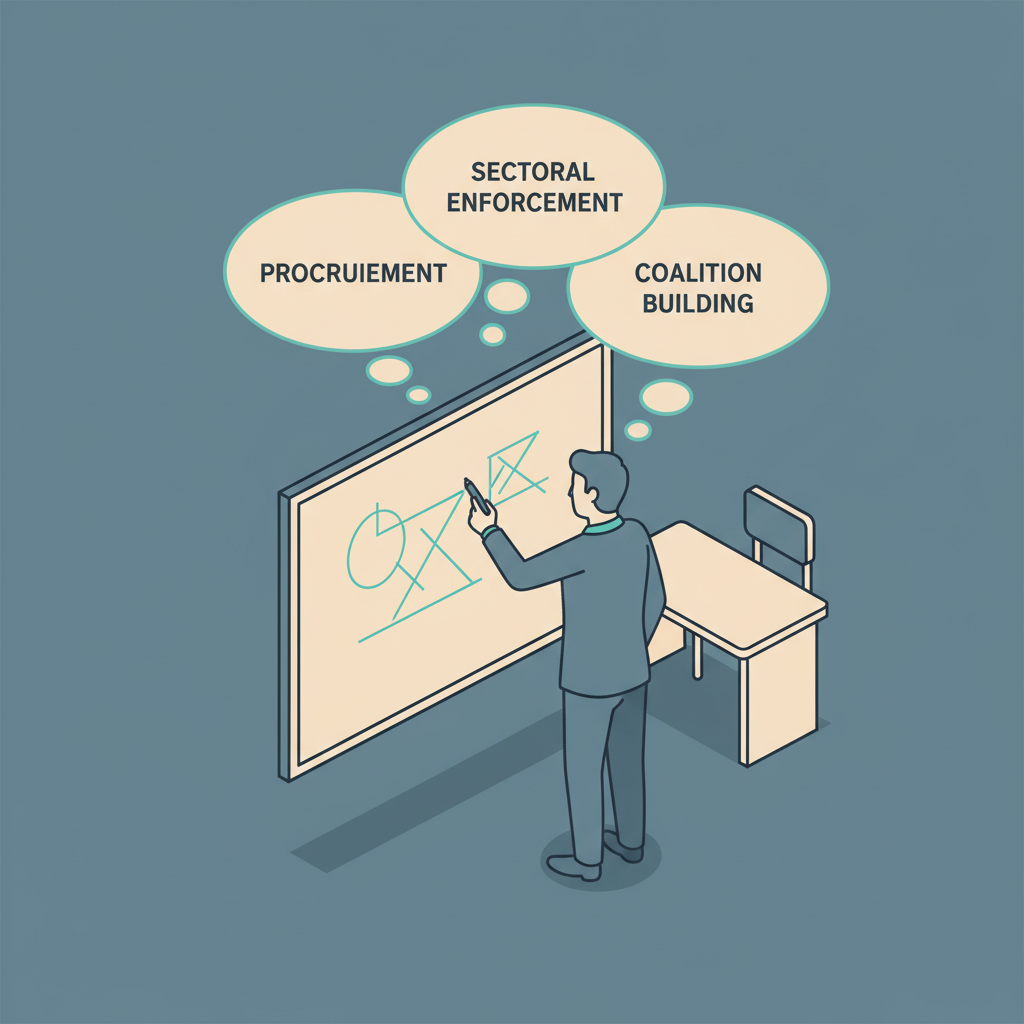
Who Owns the AI Rulebook Now? If you want to understand how a system actually works, pay attention to who gets to say no. That's where the real power lies. Trump's new executive order on AI is really about shifting who gets to say no. On the surface it claims to prevent
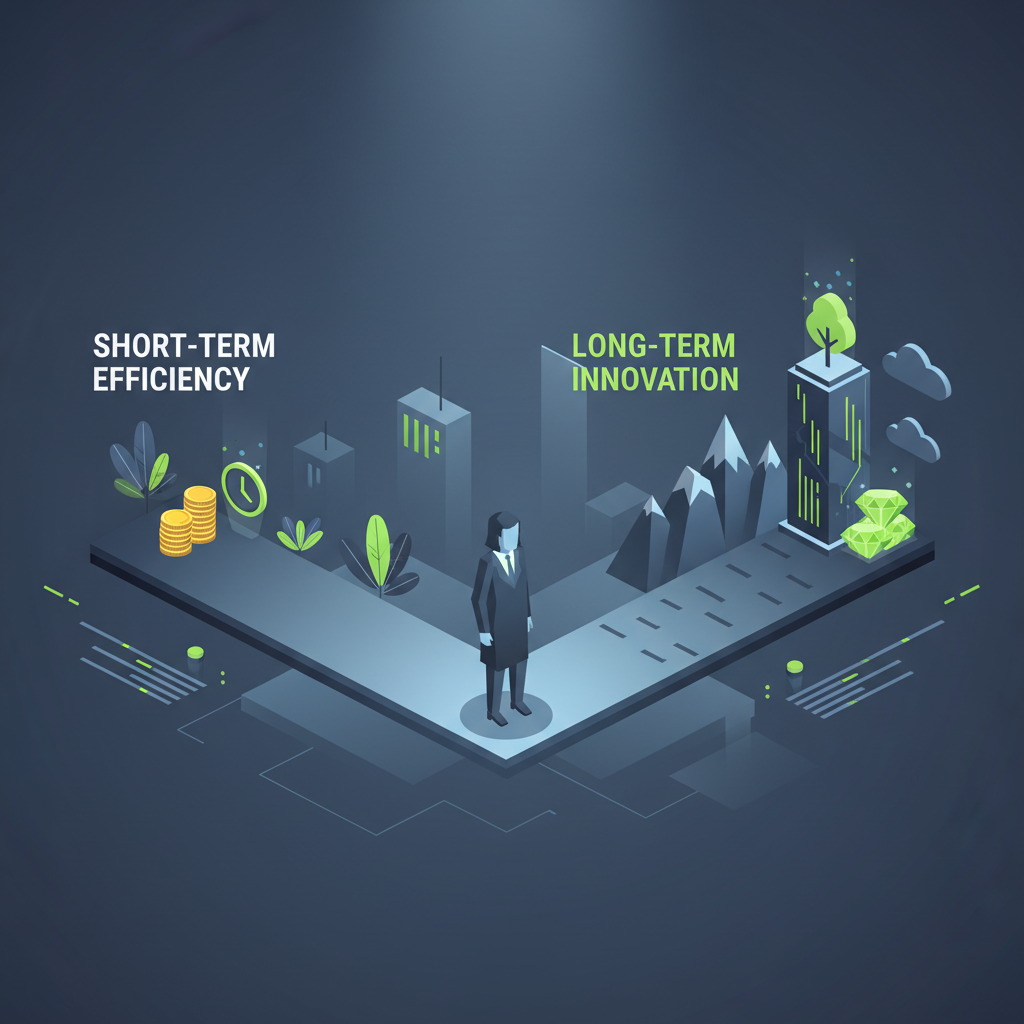
Fusion Is Not a Physics Race. It’s a Governance Contest. Fusion is exposing a deeper race between China’s state-led model and America’s private-led model for high-risk innovation. Whoever commercializes fusion first will also export a template for how big, slow, civilization-scale bets get organized.
Tim Cook’s Succession Is a Stress Test of Apple’s Governance Tim Cook will eventually leave Apple. The exact timing — whether next year, 2026, or sometime after — isn't actually the most compelling detail anymore. What's truly interesting is that Apple has subtly transitioned from debating "if" he'll depart to figuring out "how&
JPMorgan’s Quiet Checkmate on Fintech Data Power rarely announces itself. It slips in quietly, rewrites the rules, and sends you a fresh bill. That's what JPMorgan Chase did in its long clash with fintech firms over access to customer data. CNBC reports that the bank has now struck deals that ensure it gets paid
Moderna’s $900 Million Cut: Who Shoulders the Risk When the Incentive Shifts? Starting where most biotech investors instinctively begin, with the question about what the spreadsheet can’t tell you. Moderna’s move to trim $900 million from its 2025 cash-cost guidance isn’t just a CFO flex or a late-night slide for the finance team. It reads like a public map