
Big Food's Grocery Bill Scare: Protecting Wallets or Hiding Ingredients?
RFK Jr. wants labels on the junk. Food giants cry price hikes. Who's really paying?
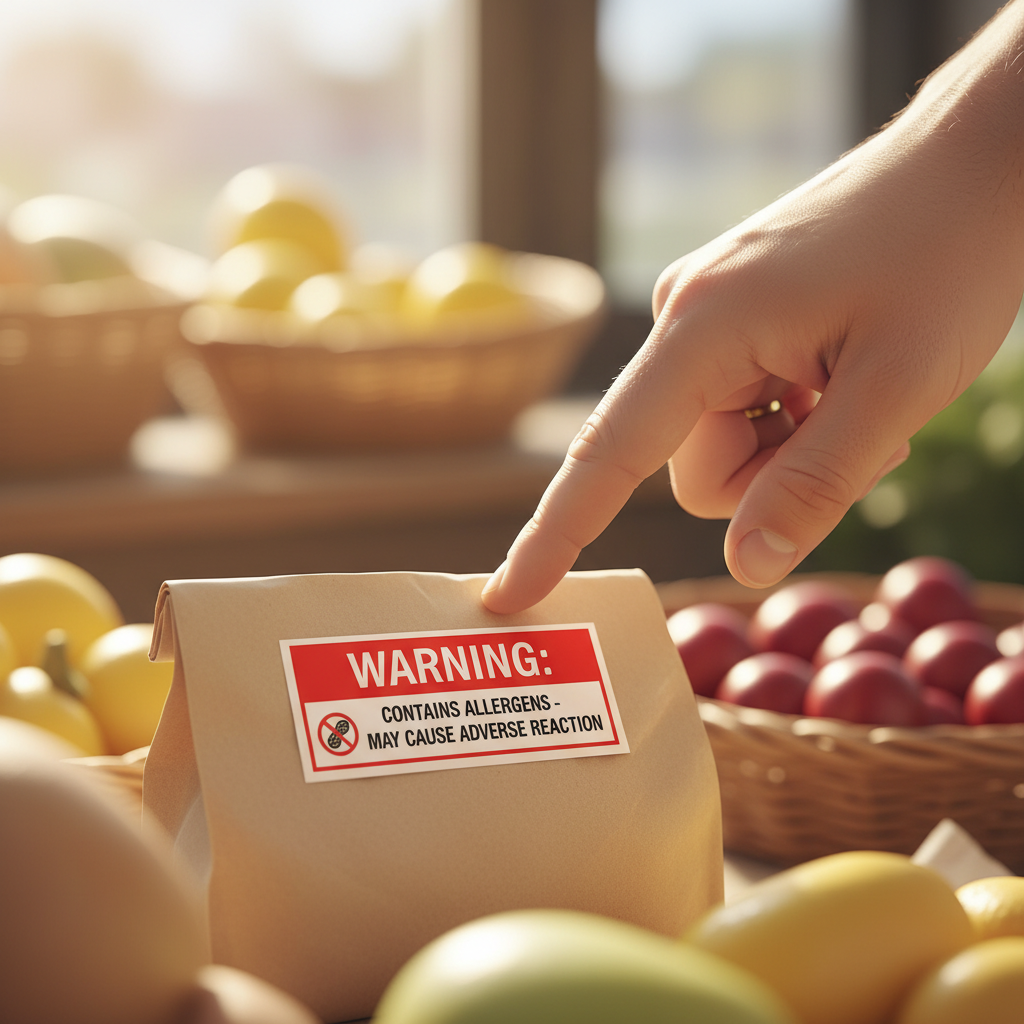
People keep talking around the real issue. Big brands that sell chips, hot dogs, and boxed dinners say they're worried about your grocery bill, but it's hard not to wonder if they're really just nervous about anyone poking at their ingredient lists. After years of sitting in boardrooms, I can almost feel when a company is trying to steer the conversation somewhere safer. These folks aren't champions of low prices; they're just good at shifting attention from possible health concerns to whatever hits your wallet. Now that RFK Jr. is pushing states to require warnings on questionable additives, the companies are leaning on one argument they know still works: the threat of higher prices.
Politico laid it out the other day. Big names like Kraft Heinz, Nestle, and PepsiCo teamed up under this banner called Americans for Ingredient Transparency, which sounds almost ironic. Their argument is that state-by-state rules for ultraprocessed foods would be a mess, since different labels in different states drive up costs. Andy Koenig, who advises the group, even tied it to Trump's efforts to cut costs for working families. On the surface, it makes sense. Nobody wants to deal with fifty versions of the same package.
Look a little closer and the picture shifts. Texas just passed a law that forces warnings on dozens of artificial additives already banned overseas. West Virginia cut certain dyes from school meals and might push it statewide. Harvard's food law center says lawmakers floated more than ninety related bills across thirty-five states this year. RFK Jr. calls that basic common sense. Meta-analyses back him up, showing links between heavy consumption of this stuff and higher rates of obesity, diabetes, and heart problems.

The food giants are pushing for federal rules to override all of that. One national standard means fewer headaches for them and less risk of anyone drawing attention to what they use in their products.
Here’s the part everyone keeps dodging: what do these labels actually cost? No one pushing the scare stories offers real figures. The FDA has already run the math on front-of-package nutrition labels, and the estimated relabeling costs across the entire industry came out to roughly $66 million to $154 million a year over a decade. When you set that against the trillions in annual food sales, it works out to spare change.
Groceries already jump around because of fuel, labor, and commodity prices, so a small warning about Red 40 or some preservative isn’t what moves your receipt. What it does is shine a light on ingredients tied to chronic disease while the big brands keep posting huge profits. Doritos isn’t struggling to stay afloat. Same with Oscar Mayer. These companies aren’t worried about the price of milk at your store; they’re worried people will see a cancer warning in one state and decide to buy something else.
I’ve sat in meetings where the client can tell something’s off, and the room shifts. People start pressing for answers. The food lobby runs the same routine. They open with warnings about rising prices, then steer attention away from whatever’s in the product, and wrap it all in talk about "choice." Sounds nice on paper, until you realize some of those choices involve additives other countries ditched years ago.
Groups like MAHA push back, and so do consumer advocates. They argue that if everything gets handed to the federal level, the rules end up watered down. The industry has a long reach in Washington, so states tend to move quicker. New York banned trans fats back in 2006; the federal rule didn’t land until much later. You can see the pattern.
Still, the industry leans on economic worries because the polling’s clear: people hate paying more. Democrats have taken hits on that front. It’s a clever strategy, but it’s also pretty transparent in who it’s designed to protect.
Here’s the other side, since it’s never just one story. A single federal rulebook would make life easier for a lot of small producers. Juggling different state requirements can wipe them out, so the big companies aren’t entirely off base.
But the timing says plenty. They pulled this coalition together in October, right when states started tightening their own rules. Instead of talking about health studies or changing their formulas, they opened with warnings about higher grocery bills. That’s a classic PR move. Turn the spotlight around and make the audience feel like they’re the ones causing trouble. I’ve used that trick when selling. It usually holds until someone stops the room and asks you to back it up.
Even RFK Jr. nudged the door open recently, saying he’d consider a national standard to avoid the maze of state rules. Could be a sharp move, though it puts the ball right back in the lobby’s court. What’s really on the line is your health, dressed up as a price debate.
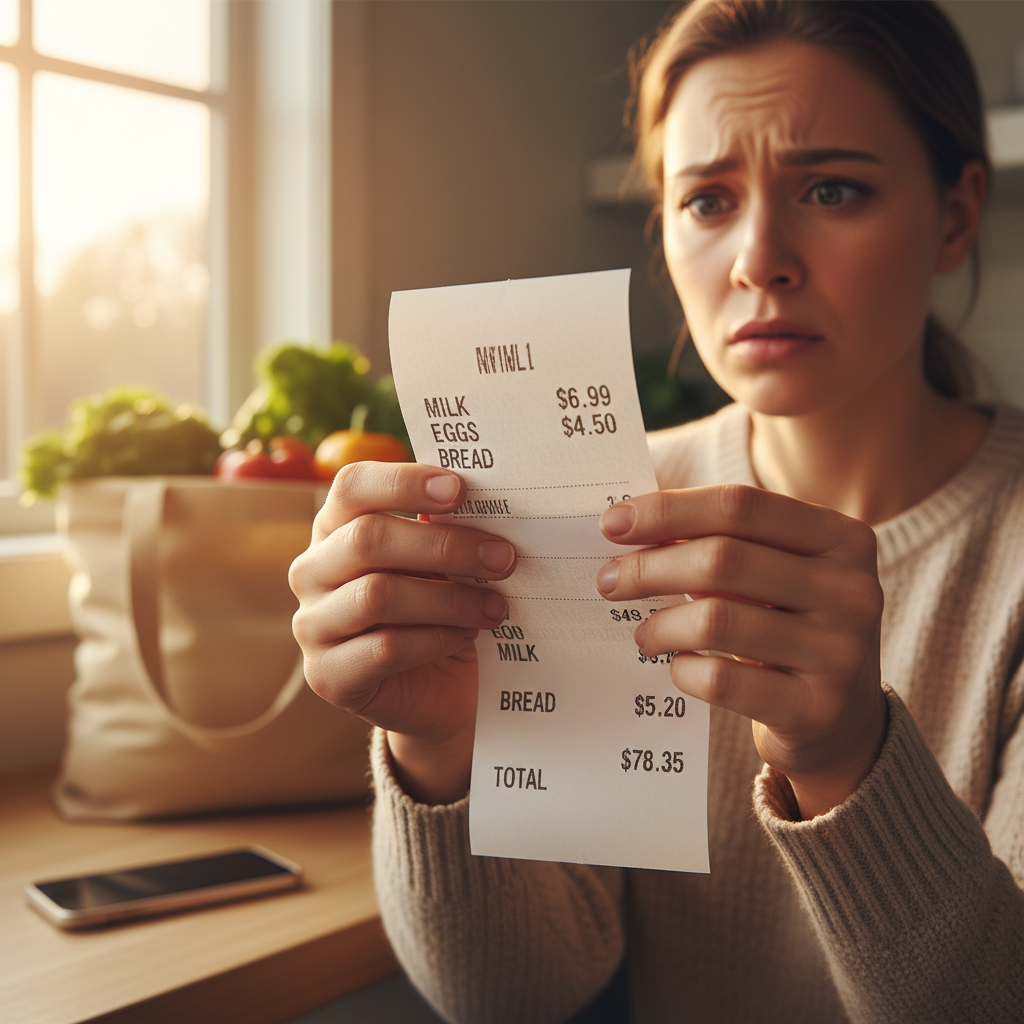
Next time you pick up a bag of Cheetos, take a look at the ingredients and picture a warning that spells out their risks. Would a small price bump bother you, or would you just reach for something else? That’s the number the companies are trying to protect, not the one on your receipt.
Sources
- https://www.politico.com/news/2025/12/25/ultraprocessed-food-rfk-affordability-maha-00692808
- https://www.usnews.com/news/best-states/articles/2025-09-15/emboldened-by-rfk-jr-states-limit-ultraprocessed-foods
- https://usrtk.org/ultra-processed-foods/rfk-preemption-state-food-laws/
- https://www.farmprogress.com/farm-policy/rfk-jr-opens-door-to-national-food-standards-as-ag-industry-seeks-uniform-regulations
- https://www.the-independent.com/news/world/americas/us-politics/processed-food-rfk-jr-affordability-dangerous-b2890758.html
- https://www.fda.gov/about-fda/economic-impact-analyses-fda-regulations/food-labeling-front-package-nutrition-information-proposed-rule



Comments ()