
California’s 2026 Laws: Nice Slogans, Ugly Punch Lists
California’s 2026 laws on rentals, school smartphones, and AI look clean in headlines, messy in practice. I walk through how they’ll really work, who bears the load, and which parts are sturdy versus mostly talk.
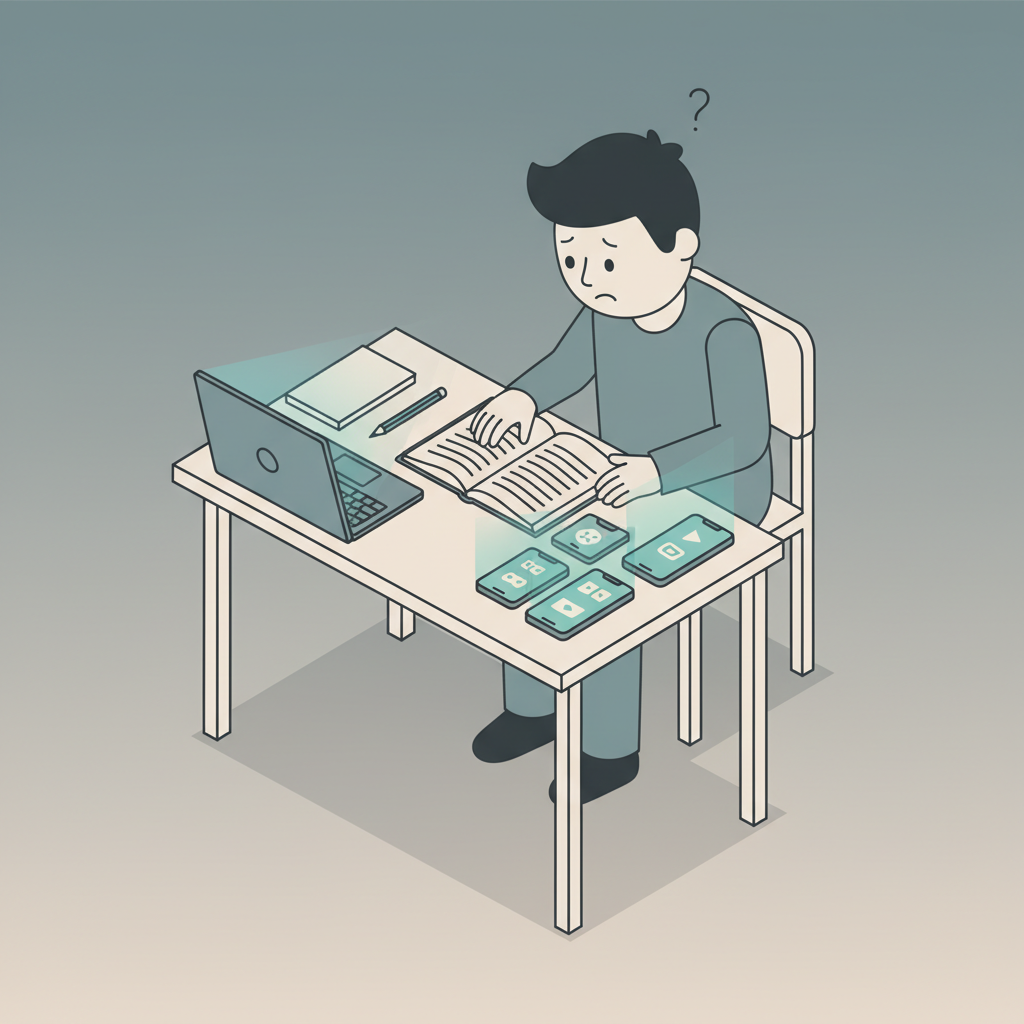
At first glance, California’s 2026 laws read like a glossy safety brochure: protect kids, tame tech, raise standards. It sounds reassuring, but it’s mostly verbs and very few wiring diagrams. There isn’t much about how any of it will actually work.
On a job site, a new rule doesn't feel abstract. It shows up as different forms, different tools and fresh ways to make a costly mistake. The new laws are sold as moral upgrades, but in practice they become punch lists someone has to follow every day, often with too little time and money.
Look at the push to tighten rental habitability rules. One bill getting local attention would make basic appliances—functioning stoves and refrigerators—part of the legal standard for a habitable unit, with deadlines for repairs and clearer enforcement powers for local code officers. On paper, who argues with that? I’ve walked through units where people cook on a single hot plate while the landlord dodges calls. Calling that acceptable is absurd.
See how this actually plays out. Redefining habitability turns into a stack of tasks for every landlord, from big REITs to the retired couple renting the upstairs. Inventory every unit, note appliance conditions, set aside money for breakdowns, answer repair calls fast when something breaks. City inspectors won't multiply overnight, so enforcement will lag. Tenants will learn that "my fridge is out" is now leverage, not a favor. That's mostly a good thing, but it will change the tone of those relationships, making them more transactional and less neighborly.
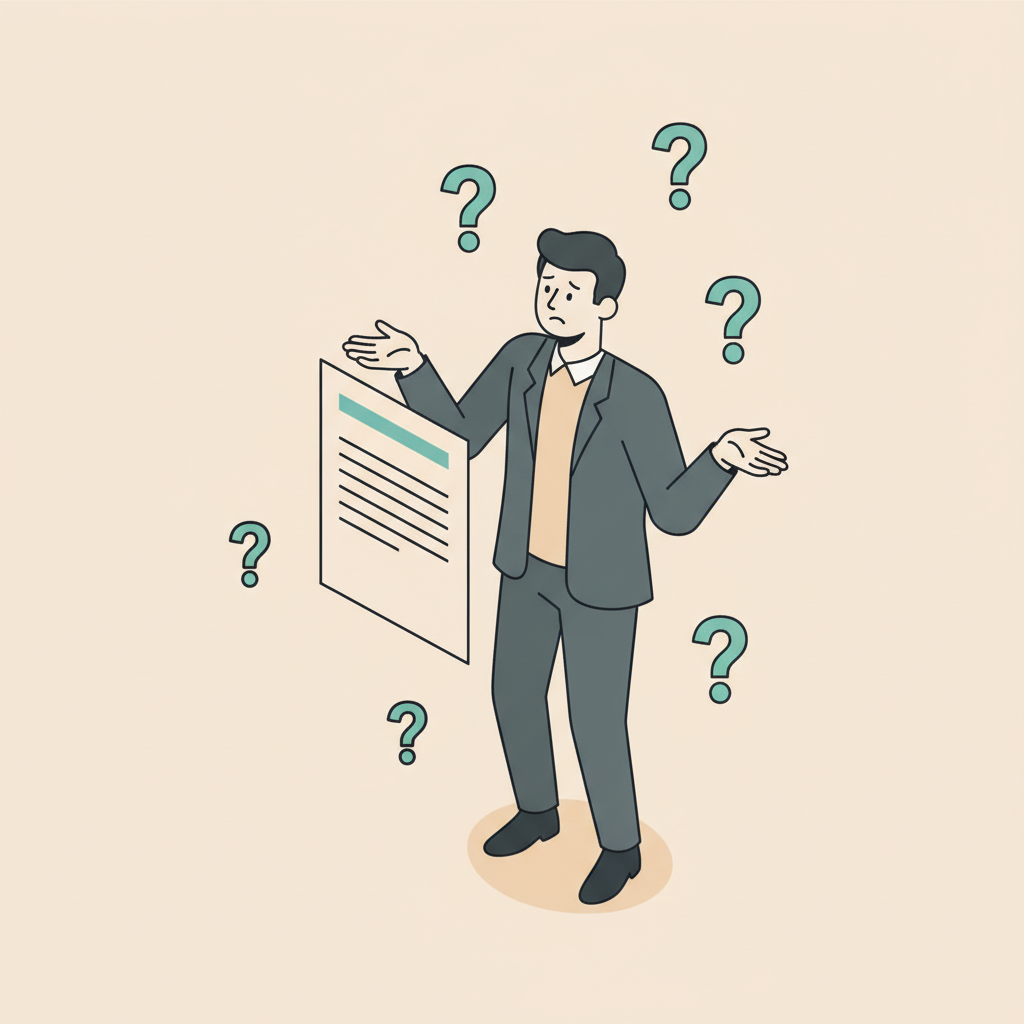
A second-order effect is cost creep. Requiring more equipment and faster service raises the baseline cost of operating a unit. Big landlords can spread that across hundreds of homes; small owners usually can’t. They end up raising rent, selling out, or skimping elsewhere. Over a few years that shifts more stock into the hands of companies that can absorb compliance at scale. So yes, you get a genuine habitability win, but you also speed up consolidation.
Here's the framing problem. Saying "we will protect renters" sounds like a single act, but in practice it creates ongoing maintenance duties, a stack of paperwork and new points of conflict. If you don't fund inspection teams and low-cost repair programs alongside the mandate, you're basically hanging fresh drywall over rotten studs. It may look straight for a while, but eventually the cracks show.
Look at the push to curb smartphones in schools. The law Fox5 flagged requires districts, county education offices and charter schools to adopt, by mid-2026, a policy that either limits or outright bans student phone use during the school day. I'm a parent and I've watched apprentices pull their phones out between every cut, so I get the instinct—attention is finite and a phone is basically a tiny, relentless nail gun of distraction.
Calling it a "policy" is a polite way to paper over a giant logistics problem nobody's been hired to solve. A genuine ban raises questions: where do phones go during the day, who collects them, what happens if one is lost or broken, and how do you enforce the rule so every hallway spat doesn't become a due‑process complaint? Teachers aren't bouncers, and administrators are already buried in discipline paperwork; the law simply pushes the decision and the fight down the ladder. Without staffed systems for collection, secure storage and low-cost repair or replacement, the mandate will live on paper while implementation falters.
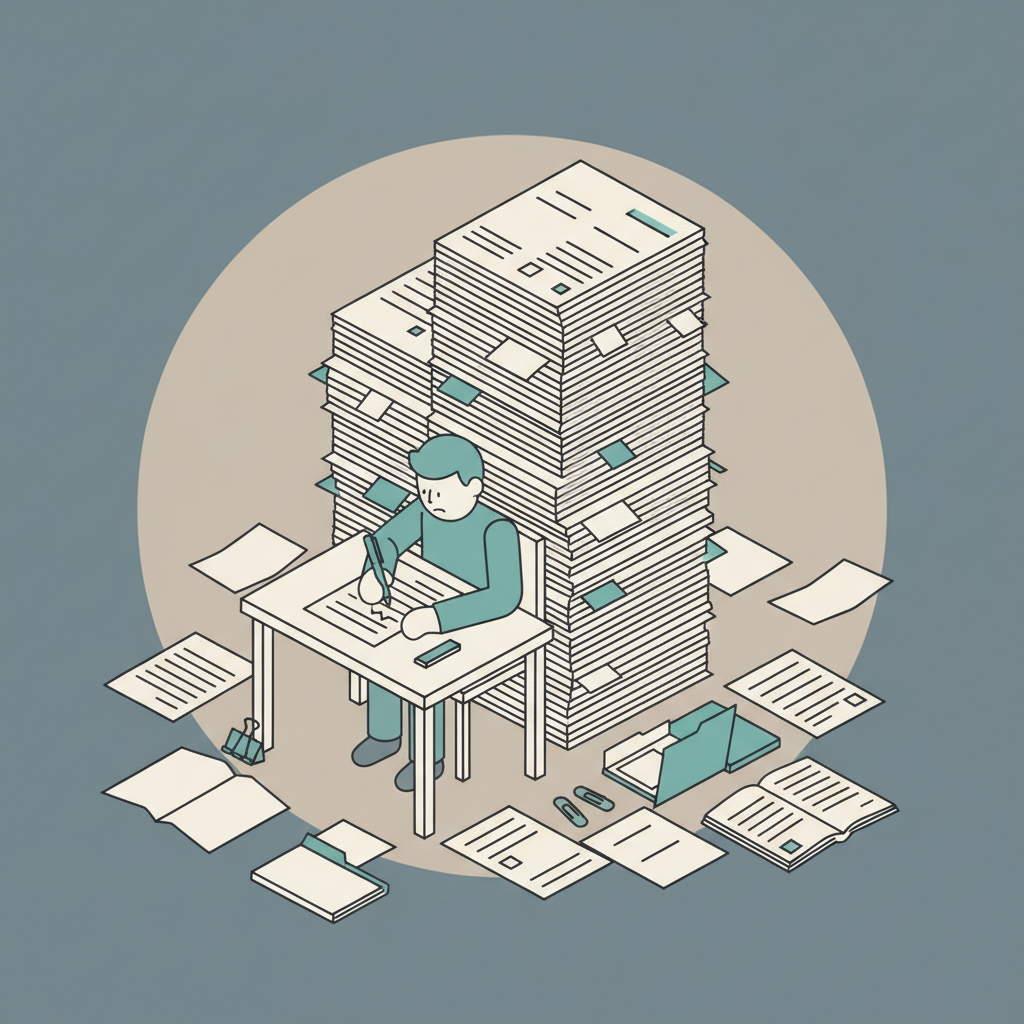
Knock-on effects appear quickly. Students with medical needs or caregiving responsibilities will need exemptions. Parents will call principals when they can’t reach a child during a lockdown drill or a brush fire and the school has chosen a stricter rule. Unions will rightly ask why “phone cop” was added to teachers’ job descriptions with no extra pay. You’ll also see a black market of cheap backup phones tucked into lockers, because kids aren’t idiots.
No. The goal isn't wrong. The research showing phones chew up attention is solid, and any teacher you ask will say the same without needing to pull up a paper. The problem is the law acts like writing a policy is the hard part; the real work is designing and staffing the daily routine that makes a ban possible. If the state doesn't provide model systems, fund secure storage, and give clear guidelines on enforcement and discipline, we're just legislating good intentions and calling it done.
The third thing that stood out to me is the state’s new AI safety regime for advanced models, the sort that the governor’s office and outlets like Reuters and TechCrunch warn could cause real damage if they go sideways. Put simply, California wants companies training very large AI systems to do a few concrete things: publicly explain how they test for disaster scenarios, report any “critical incidents” that cause large‑scale harm within a tight window, protect whistleblowers, and open some access for outside researchers to examine the models. Regulators would get the power to investigate and fine firms that ignore the rules.
Seen from afar it looks a lot like OSHA for algorithms. Check your equipment, log near-misses, report accidents, let inspectors walk the floor. I’m not opposed. On a construction site those systems catch a lot of boneheaded mistakes before someone gets hurt.
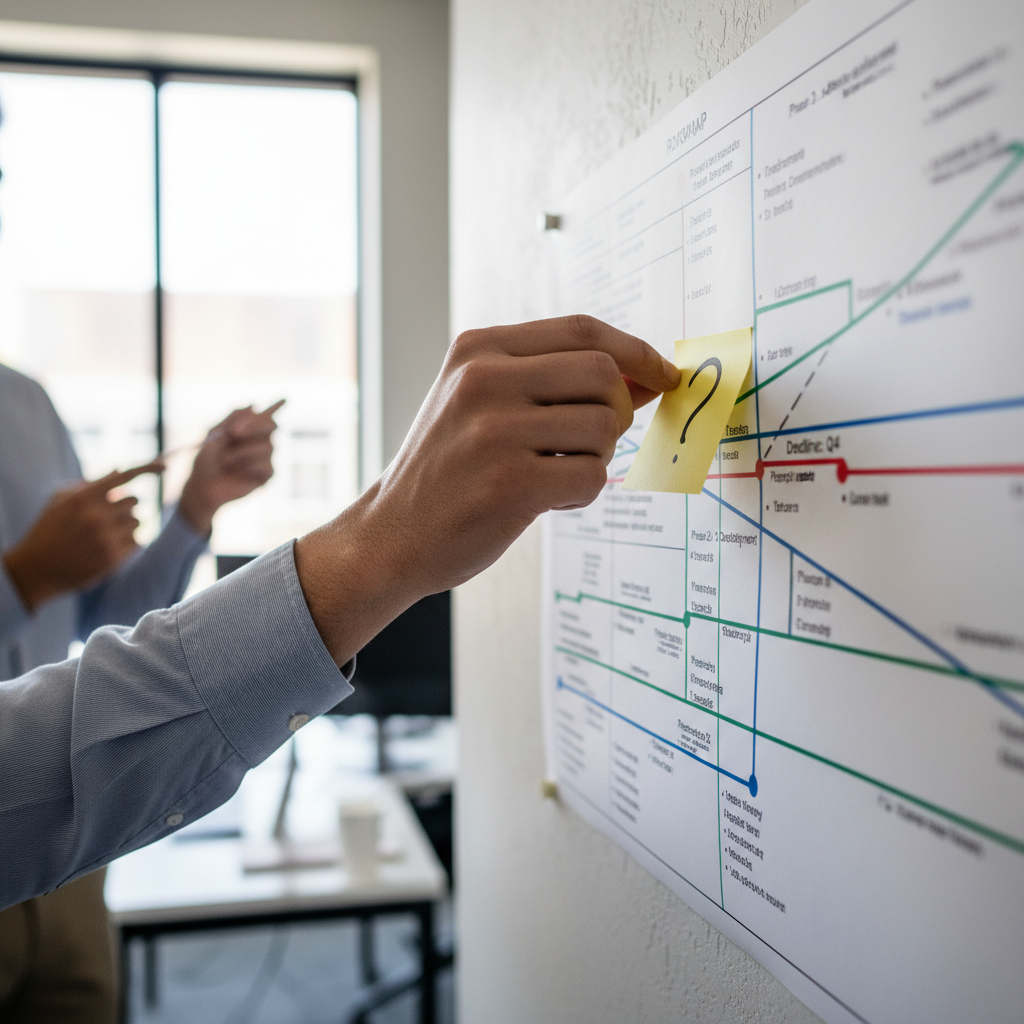
The real problem is scope and fog. Labels like “frontier models” or “serious risk to public safety” sound meaningful until you realize they don't actually define anything; it's like saying “any power tool big enough to be scary” without naming the brands. Big firms will hire lawyers to argue they're not covered, small teams will pull back because they can't afford a compliance shop, and the giants will just treat fines as another line item. The middle gets squeezed and innovation takes a hit.
Another effect is that development could drift to places with looser rules, or teams will hide behind shell companies and partnerships that claim they're outside California's reach. Or everything gets pushed into the hands of a handful of massive firms that can afford the compliance costs, which is exactly the outcome we say we want to avoid. Meanwhile, the everyday harms people actually face, like biased hiring algorithms or shoddy automated landlord screening, may slide under the radar because they don't meet a "mass casualty" threshold.
The pitch sounds heroic: “We will prevent catastrophic AI risk.” But the real work is dull. It means standardizing audits, hiring reliable inspectors, and forcing firms to fix problems before the story breaks. Skip that and you’ve got a shiny safety rail bolted into drywall instead of into studs.
What's actually solid here, and what still needs reinforcing? We need clearer definitions and enforceable processes, plus steps to catch the everyday harms people face, like biased hiring systems or flawed automated landlord screening, that won't meet a "mass casualty" threshold.
On paper, the upgraded rental habitability rules are a solid step and the structure is sensible, but only if cities get the funding and staff to inspect and enforce them. Tenants shouldn't be left at the mercy of a landlord's mood when a crucial appliance breaks. If the state pairs the rules with support for small landlords and simpler permits for repairs, it could actually improve renters' day-to-day lives. If that doesn't happen, expect rent hikes and a steady shift toward corporate ownership.

The bill addresses a real problem but puts the wrong people in charge. It asks cash‑strapped districts and overstretched teachers to design and enforce policy, then walks away. That leaves a shaky framework. What’s needed is statewide model rules, funding for hardware and staff, and clear legal and administrative backing for educators when the first lawsuits arrive.
California’s AI safety effort reads part scaffolding, part theater. Requiring dangerous systems to report their own failures is a reasonable baseline, but real safety comes from routine inspections, dull paperwork, and the readiness to pull the plug on a risky system even when it’s profitable. The state has put a visible framework in place; whether it can actually bear any weight will hinge on the fine print — which models they cover, how many inspectors they hire, and whether regulators will go after the big firms as readily as the startups.
From where I stand, these laws look like a mixed construction site: some solid beams, a bit of cosmetic trim, and a few wide spans with little real support. What separates a safe building from a future headline isn’t what you promise on paper but what actually gets checked, fixed, and who’s held responsible. In practice it comes down to inspections, timely repairs, and having a named person or agency on the hook when things go wrong.
Sources
- https://fox5sandiego.com/news/california-news/new-laws-taking-effect-in-california-in-2026/
- https://www.yahoo.com/news/articles/laws-taking-effect-california-2026-205712920.html
- https://www.reuters.com/technology/california-enacts-landmark-ai-safety-law-2025-10-02/
- https://techcrunch.com/2025/10/01/california-governor-signs-frontier-ai-safety-bill-into-law/

Comments ()