
Have We Been Treating Exhaustion and Calling It ADHD?
What would change if we listened more closely to tired kids?
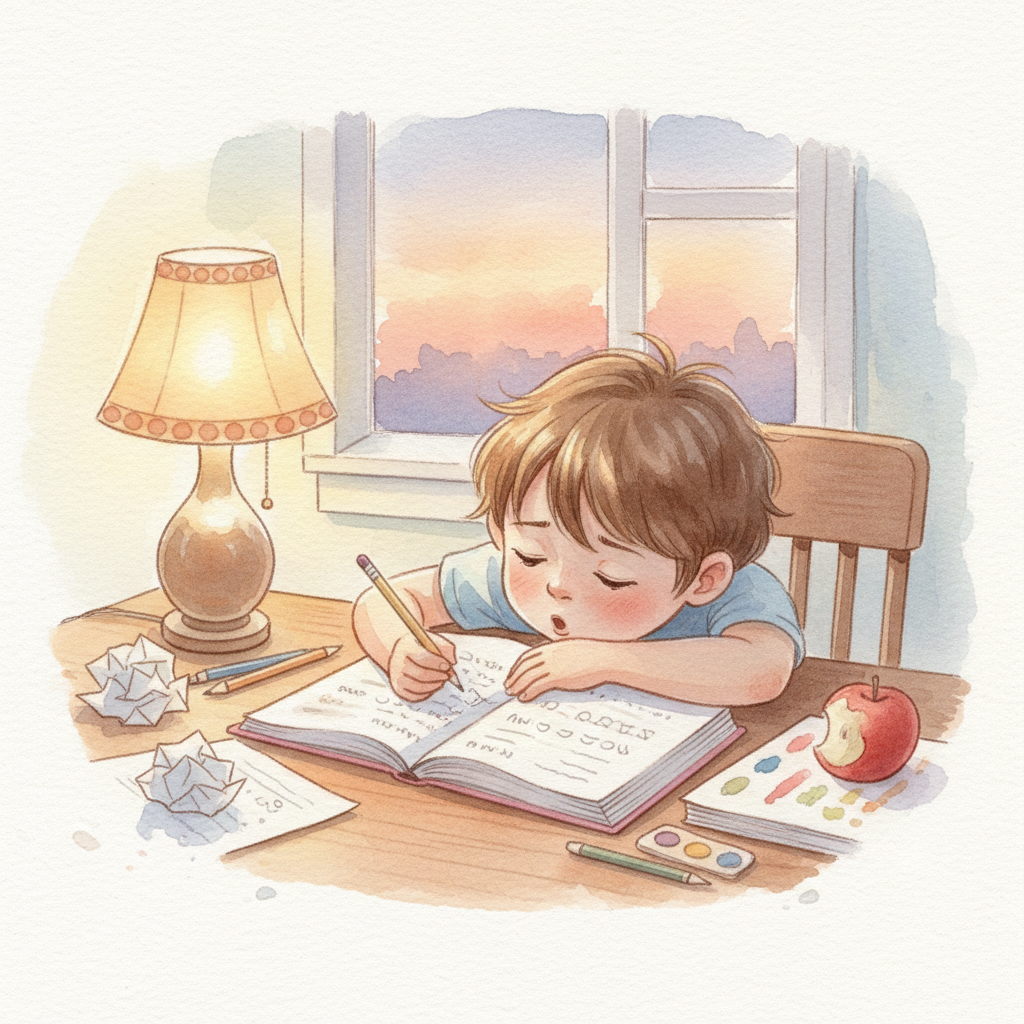
Picture a second grader slumped over a subtraction worksheet, her head dipping a little each time the pencil moves. The teacher reminds her again to pay attention. She startles, says sorry, tries to pull herself together for a bit, then drifts off once more. Later, I might see the same kid in my office, backpack weighed down after a sleepover that ran too late or a night spent listening to siblings coughing. It’s tempting to reach for the usual labels like attention issues or even ADHD. And as this new brain‑imaging study pointed out, it’s even easier for everyone involved; schools, families, clinics– to settle on that explanation and stop asking what else might be going on.
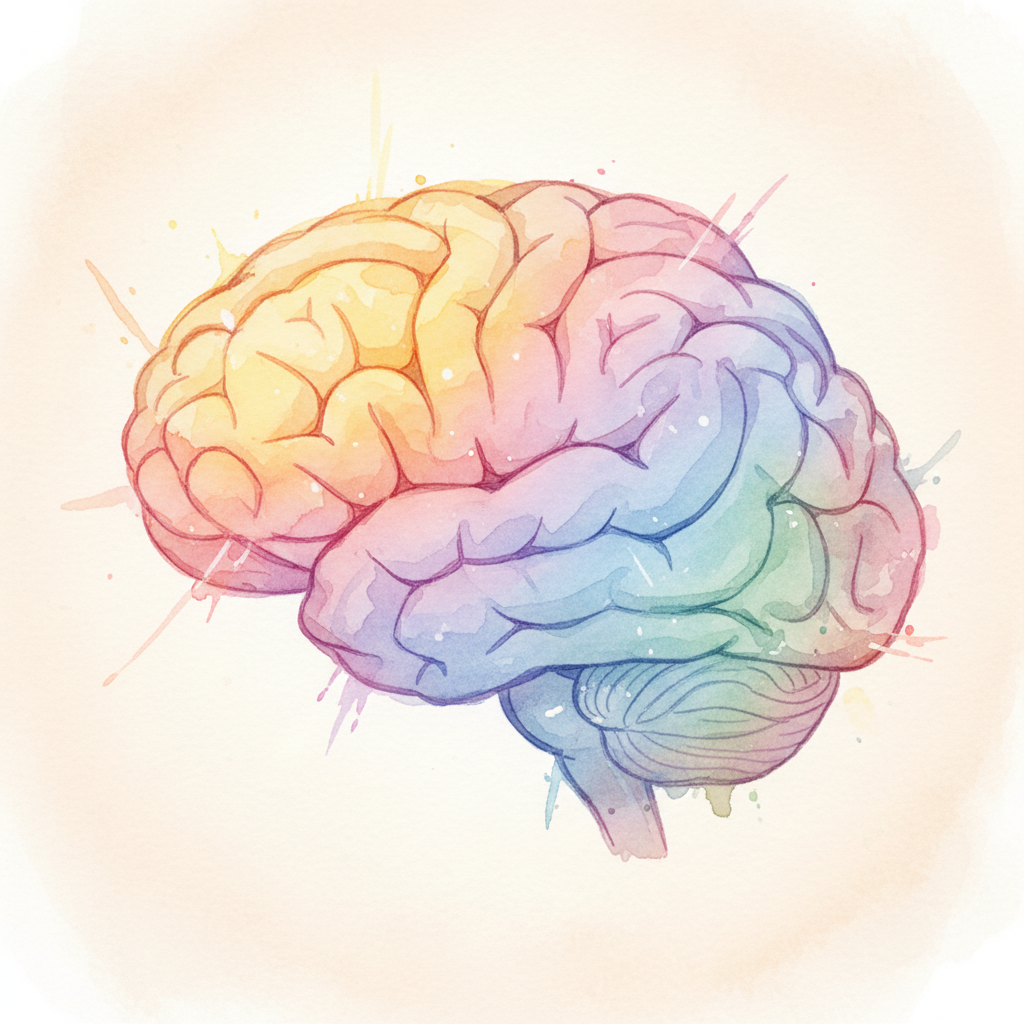
A study that looked at almost twelve thousand brain scans from kids has started to unsettle some long‑standing assumptions about ADHD medication. The researchers noticed that stimulants such as methylphenidate and the various amphetamine mixes don’t switch on the brain’s attention system the way many of us were taught. They seem to do something simpler, more like raising the overall level of alertness. Think of the lift you feel when you finally get real sleep after several rough nights. When tired children took these medications, their scans and even their schoolwork began to resemble what we see in kids who aren’t running on empty. It wasn’t so much razor‑sharp focus as the sense that the weight pulling them down had eased.
There’s something quietly unnerving about realizing we may have misunderstood the whole system for years. We’ve spent so much time treating restlessness or trouble focusing as a flaw in the person, a problem to correct with stricter habits or, eventually, a prescription. All the while, a lot of kids might be running on too little sleep, or sleep that keeps getting broken by stress, noise, odd work schedules in the household, or simply too many people packed into small spaces. The meds still help, but in the same way a strong cup of coffee props up a tired adult. They cover the fatigue rather than fixing what caused it. That sense of a quick solution makes it easier for schools to praise cooperation, gives parents a breather, and helps crowded clinics move along to the next file on the stack.
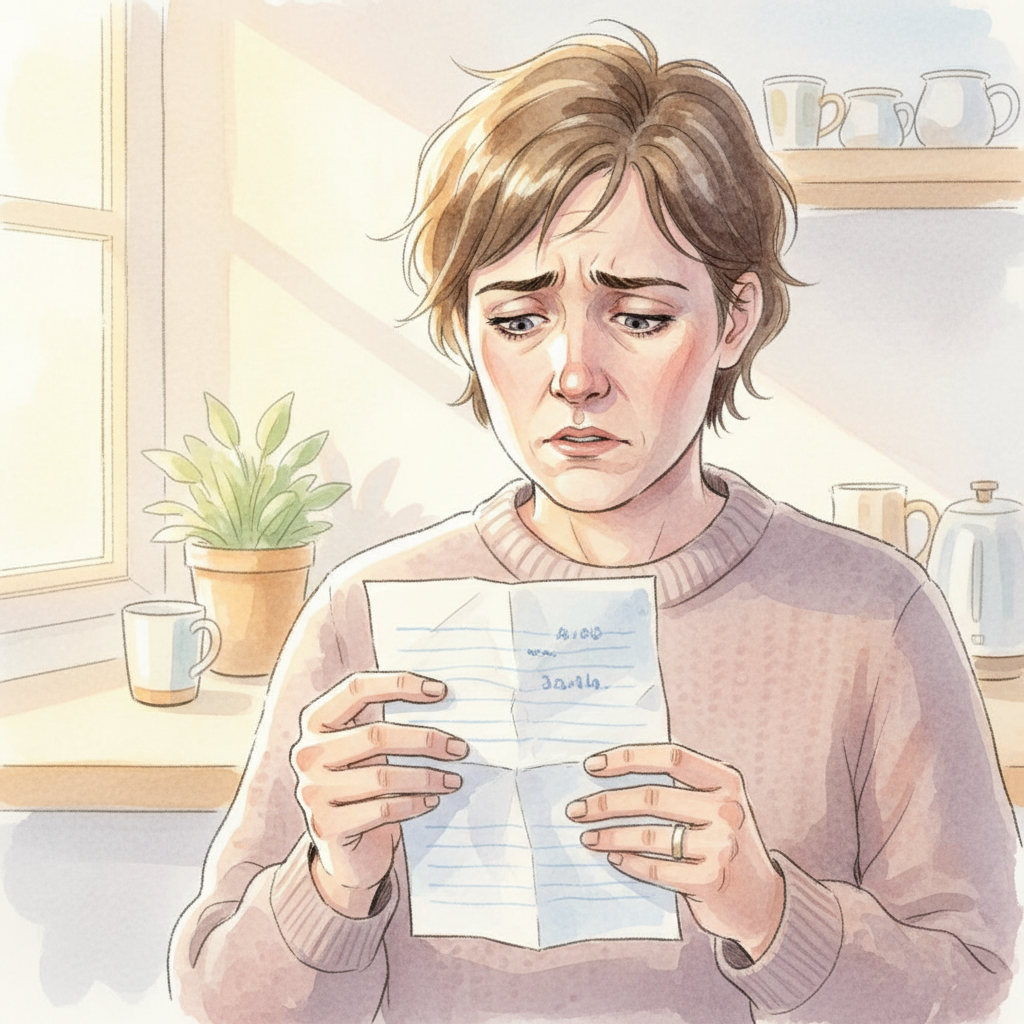
I keep thinking about the parents who show up with those wrinkled notes from school saying their kid drifted off again in class or couldn’t stop moving or left half the homework undone. You can feel the disappointment settling in before anyone speaks. People start blaming themselves, even when nothing unusual happened besides another rough night at home. No one gets credit for saying a kid might just be exhausted. There’s no real structure for helping when bedtime falls apart because a parent works late or the whole family has to squeeze into a small space. Schools don’t really track which students keep fighting sleep, and it rarely crosses anyone’s mind that what they might need is a chance to rest rather than one more plan or another round with the school psychologist.
The study has its limits. It measures resting brain activity instead of looking at what happens when kids are actually doing something, and it can’t sort out every mix of tiredness, motivation, or developmental differences. Some kids who take stimulants aren’t lacking sleep at all, and the data doesn’t erase the challenges faced by children with clear, long‑standing ADHD patterns. Still, the findings push us to be a bit more grounded and rethink our first steps. They ask us to widen our view; before jumping to questions about focus, we should probably start by asking how well a child slept and what might have gotten in the way.
If we paid closer attention to the quieter signs, like a kid nodding off after lunch or always running late or rubbing their eyes because everything feels blurred from exhaustion, things might look different. Prescriptions might drop. Parents might bring up new questions during routine visits. And maybe a teacher would decide, just once, that a trip to the nurse for a quick rest makes more sense than writing up a behavior report.

I’m not sure there’s a simple fix here, though it feels clear that any real change depends on who we choose to hear and how we hear them. Kids don’t always shout their fatigue; it usually slips out in softer ways. We should probably stop brushing it aside.



Comments ()