
Pam Bondis Hearing Was Not The Triumph You Were Promised
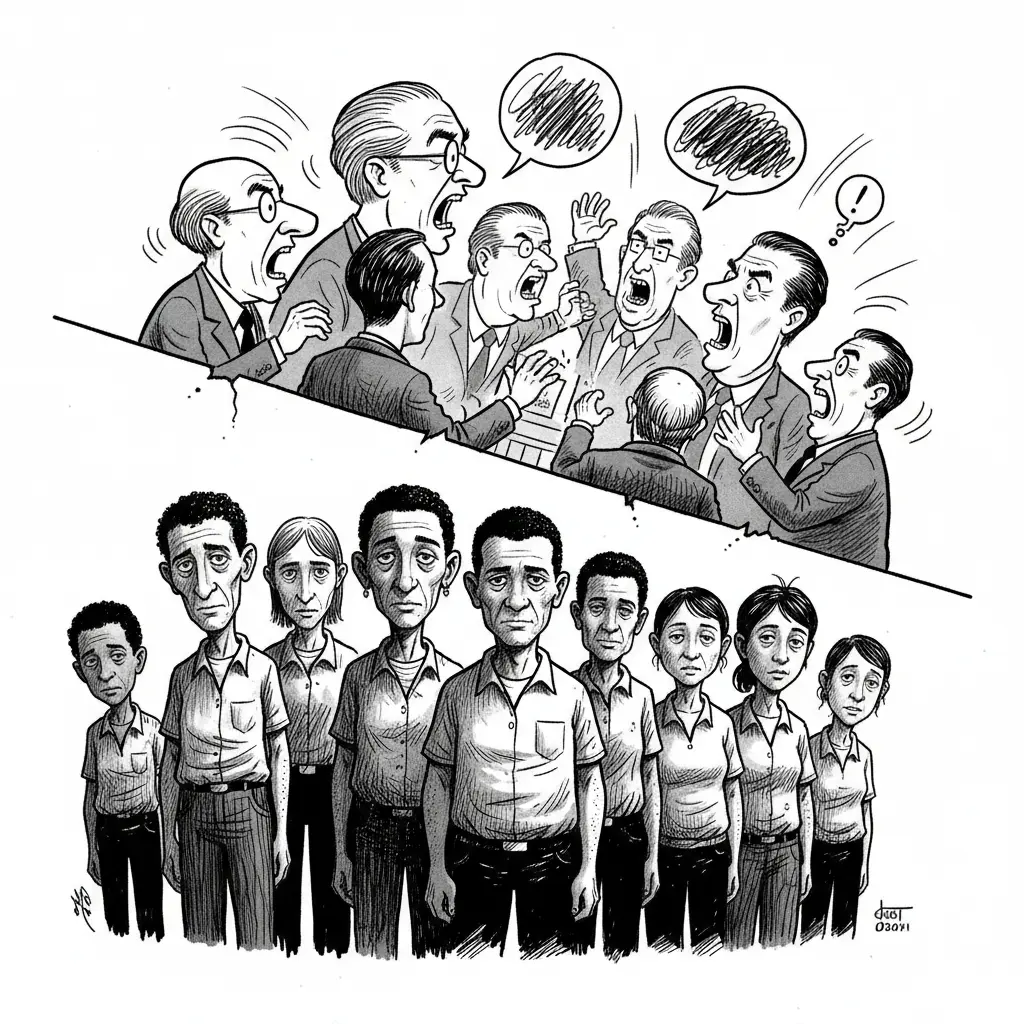
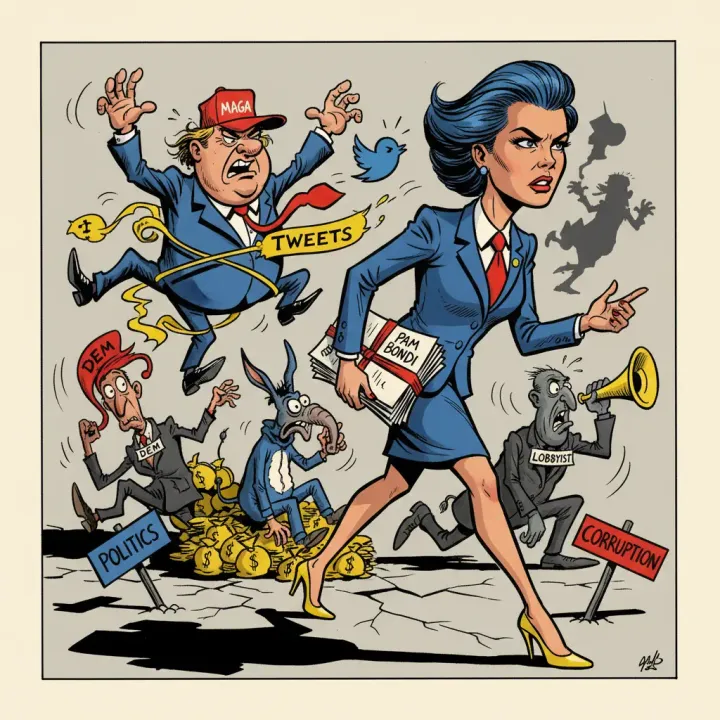
Watching the brief clips of Pam Bondi's House Judiciary Committee testimony might make you feel like you're watching a gladiator match. There were plenty of raised voices, fingers being pointed, and quick sound bites about "theatrics" or "Trump derangement syndrome." On social media, people seemed determined to label her as either a brave truth-teller or some kind of cartoon villain.
I sat through enough of that actual hearing to tell you this: it wasn't some heroic last stand, and it wasn't pure evil either. Honestly, it was just something more familiar and a lot more depressing. It was a perfect example of what happens when our institutions let an oversight hearing turn into a TV brawl. Everyone seemed to forget why we actually have rules in the first place.
Bondi showed up as Attorney General to answer for the way the Justice Department dealt with millions of pages of Jeffrey Epstein's files. There were huge questions about who got a pass, who didn't, and why victims' names—and even nude photos—ended up in public releases without being redacted, which CNN and Politico both broke down later.[1][2] This isn't just some technicality. When the government mishandles records belonging to abuse survivors, it's more than a PR nightmare; it's a flat-out breach of duty.
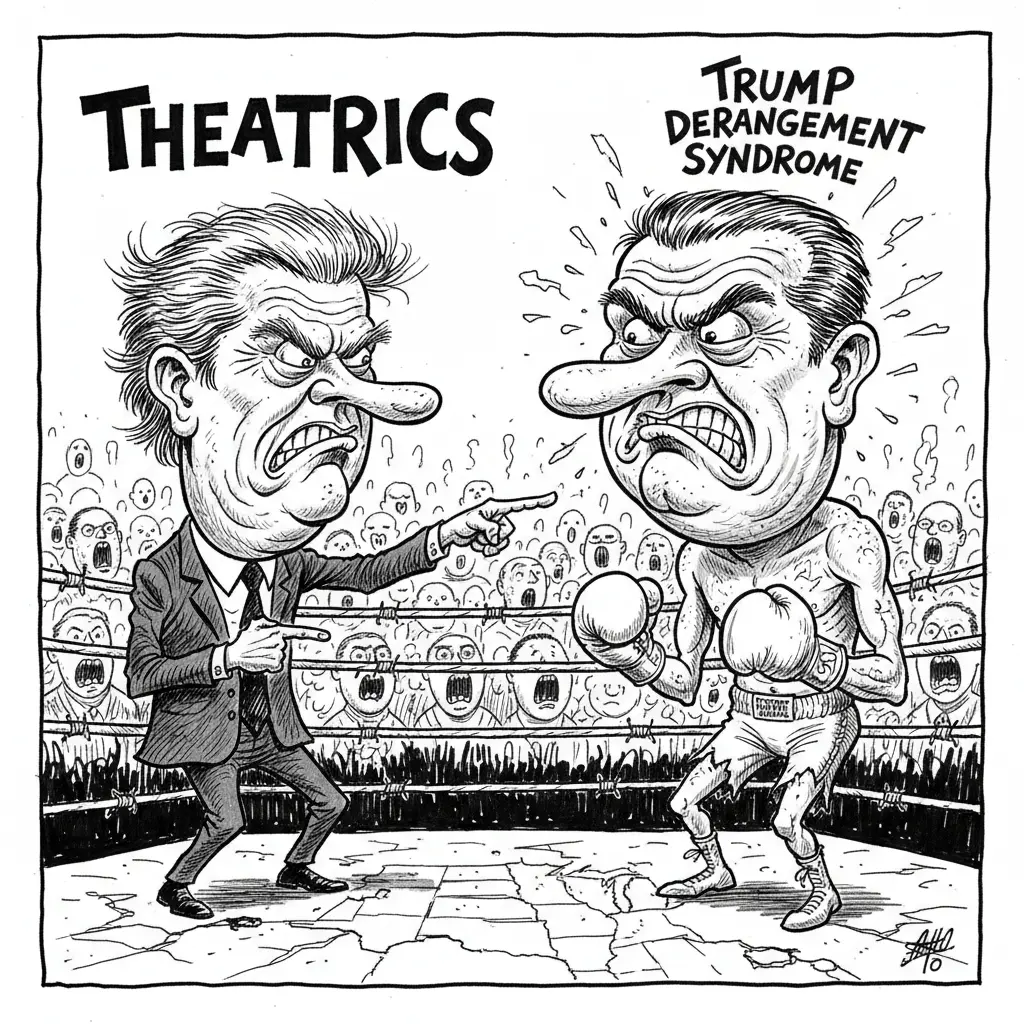
Rather than opening with a straight answer about what failed or how she'd fix it, Bondi took a totally different path. Rep. Pramila Jayapal asked her to apologize to the Epstein survivors who were actually sitting right there in the room because their private info got leaked. Bondi just brushed it off, calling the request "theatrics" and saying she wouldn't "get in the gutter."[1] That kind of talk might sound tough to her base, but from where I sit, if your office screws up and puts vulnerable people in danger, you start by saying you're going to make it right. You can worry about pointing fingers later.
The same pattern continued throughout the hearing. Committee members pushed for answers on why the Department had only turned over about half of the six million documents and files requested under subpoena. Democrats were skeptical, questioning if the excuse about "duplicates" was even legitimate.[2] When asked for specifics, she wouldn't say how many of Epstein's alleged co-conspirators are actually being investigated right now. She also dodged questions about whether the Department would ever look into a pardon for Ghislaine Maxwell. By the time it was over, House Democrats pointed out at least fifteen major questions she just flat-out refused to answer.
Even Republican Representative Thomas Massie ended up breaking ranks. Based on reports from Axios and other outlets following the fractures within the Trump coalition, he spoke out against both the excessive redactions and the fact that victims' names had been exposed.[3] Bondi didn't take this as a sign that her presentation was flawed; instead, she went on the attack. She accused him of having "Trump derangement syndrome," labeled him a "failed politician," and brought up his past vote on an AI deepfake bill. It felt like a campaign hit rather than a real explanation for why a department full of lawyers failed to protect the personal details of thirty-two survivors.
A few supporters described that approach as "fighting back," but it really just looks like shifting the goalposts. When you hold the office of Attorney General, the focus should remain on what the Department is actually doing. It shouldn't be about calling people hypocrites to score points.
We saw a similar tactic when Representative Becca Balint brought up Howard Lutnick's appointment to Commerce, specifically asking about his ties to Jeffrey Epstein. Rather than addressing the vetting process or the choice itself, Bondi pivoted immediately to a border patrol case. She then launched a personal attack on Balint's record regarding antisemitism. It got heated enough that Balint actually walked out, a moment noted by the Times of Israel and several other outlets. Whether you agree with Balint's politics or not, the point remains the same: the actual question about the standards for high-level appointments was completely ignored.
The civil rights portion of the hearing could have been a moment to actually discuss core values. After all, the Department of Justice was founded during the Reconstruction era specifically to handle federal civil rights and defend Black Americans from local and private violence. This isn't some obscure theory; the DOJ's own history page says as much. But when Democrats pressed Bondi on this legacy, the Lawyers' Committee for Civil Rights Under Law noted that she offered an "erroneous retelling" of events. She basically reframed the entire DOJ mission as just fighting violent crime and upholding a generic "rule of law." Priorities can shift, and that's fine, but it's much harder to watch a leader try to rewrite the agency's actual job description just to suit current political goals.
Let's be clear, the committee didn't exactly shine here either. You had members constantly interrupting each other, shouting for people to be quiet, and even waving around a "burn book" binder filled with personal attacks that Bondi supposedly kept from her Senate confirmation. Chairman Jim Jordan didn't do much to stop the chaos since the crosstalk actually helped the narrative his side wanted to push. Meanwhile, the Democrats were loud because they knew those heated exchanges make for great social media clips. In the middle of all that posturing, actual victims and serious institutional failures just got buried in the noise.
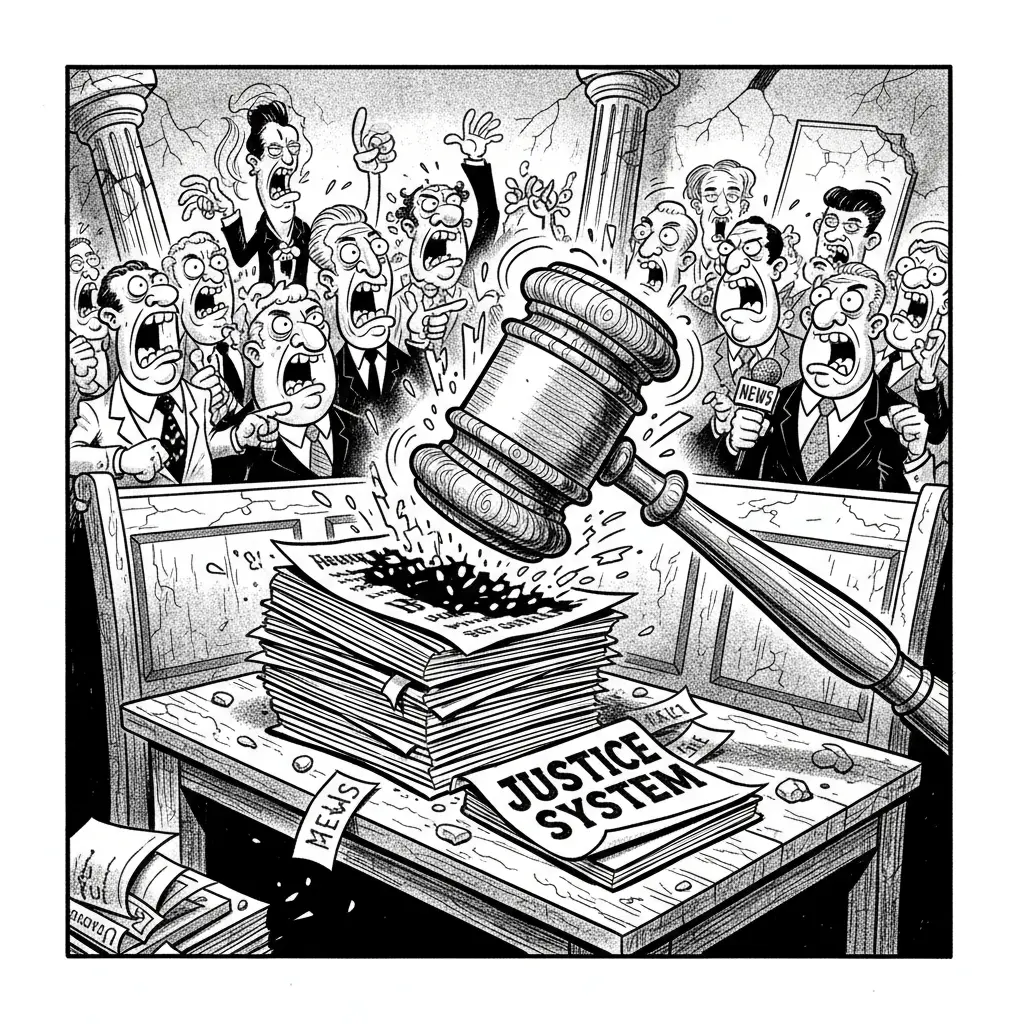
Look, I'm not under any illusions here. Oversight has always been a bit political. But there's a massive gap between actually pinning a witness down with tough questions and five hours of people just auditioning for a segment on cable news.
Did Bondi land a few punches? Sure. Her promise that the Department would unmask the names of men wrongly hidden in the Epstein files is a real, measurable commitment, and people should hold her feet to the fire on it. When she shot down the idea of making Ghislaine Maxwell more comfortable in federal prison, it hit that basic note of what fair punishment looks like. These are the kinds of operational choices you can actually keep an eye on.
The problem is that those few solid moments got swallowed up by the theater of it all. By the time the day wrapped, the headlines were just a cycle of who got into a shouting match, who walked out, and which pro-Trump groups were already calling for Bondi to be fired. You didn't hear much about an actual, serious plan to get the rest of the Epstein files, fix how things get redacted, or start rebuilding trust with survivors—many of whom just saw the top law enforcement officer in the country flat-out refuse to apologize.
Everyone keeps asking if Bondi "won" the hearing, but that really misses the point. If we're judging a cabinet official by their ability to make the opposition look bad on TV, then we've already lost the plot. The job isn't about winning an argument; it's about proving that the justice system can still function, especially when it has to face its own failures.
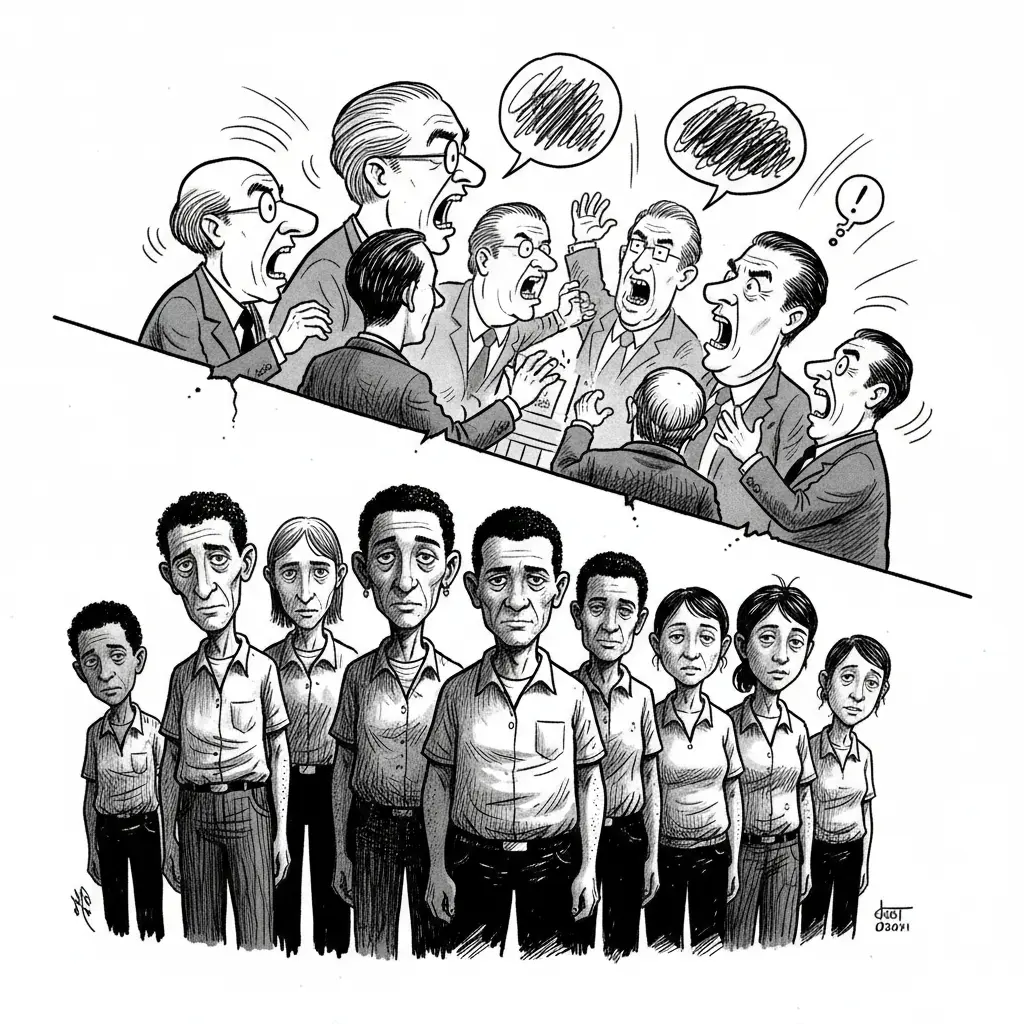
Away from the cameras and microphones, there are thirty-two survivors who had to watch their names and images get mishandled by the government. We still have millions of pages that haven't even seen the light of day. There are local investigators just trying to get some basic info on things like the border patrol shooting, which didn't even seem to matter during all that shouting. That's the real ledger I'm looking at.
Looking at my calendar for next month with more hearings already penciled in, I really don't want to see a rematch between Pam Bondi and Congress. What I'm hoping for is an Attorney General and a committee that actually remember they're just temporary caretakers. They are looking after something much bigger than themselves: a justice system that people either believe in, or eventually just learn to live without.
Comments ()