The Gift and the Ground Beneath It
A few years ago, a small literacy nonprofit down the road from my school received an email the director assumed was a scam. It came from an intermediary she’d never heard of, asking for a quick call about a “significant” gift, and she almost deleted it — the sort of message you shrug off. By the end of the week she was sitting in her cramped office, fluorescent lights humming, listening to a stranger from a financial firm tell her that MacKenzie Scott had chosen them for a multi-million-dollar, no-strings-attached donation.
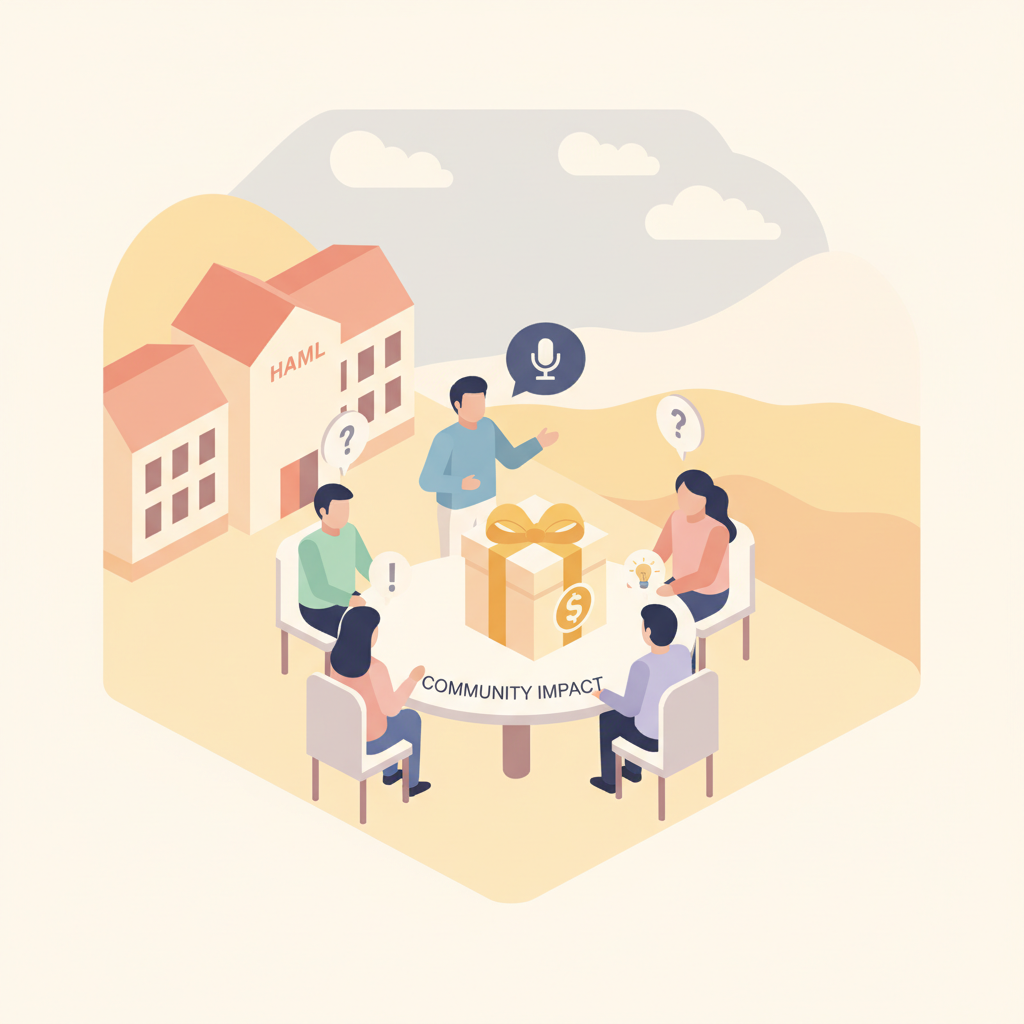
She told our parent group about it later, still a little dazed. "I kept asking them to repeat the number," she said, her hands making small, helpless circles in the air. The room leaned in; someone joked about finally fixing the broken copier. Someone else, quieter, asked, "So... how long does it last?"
That question has stuck with me. In December the Associated Press reported that Scott gave $7.1 billion to nonprofits in 2025, a sharp rise from $2.6 billion the year before and $2.1 billion in 2023, bringing her total since 2019 to $26.3 billion. The striking thing is how the money arrives. Organizations don't apply; they are simply tapped. Funds often appear through intermediaries like Fidelity Charitable with little or no warning, and there are no program restrictions or reporting requirements, which means, in practice, no strings attached. For nonprofits used to chasing tiny, heavily conditioned grants, it can feel like someone opened the sky.

AP reported that more than a dozen historically Black colleges and universities received a total of $783 million from Scott this year; that is part of at least $1.35 billion she has given to HBCUs since 2020, according to Rutgers professor Marybeth Gasman. UNCF received $70 million, which it plans to place in a collective endowment for member schools, and the Native Forward Scholars Fund received $50 million to bolster scholarships for Native American students. These are institutions that have been underfunded for generations. A single check that doubles an organization's annual budget, like the $42 million donation to the college-access nonprofit 10,000 Degrees, is not just a pat on the back; it changes what feels possible.
I don't question that it's a good thing. Sitting with a fifth grader whose mother juggles three jobs, I feel a real relief that someone with roughly $33 billion, as Forbes estimates Scott's net worth, is choosing to direct large sums toward scholarships and student-support programs. The effects are immediate and concrete: kids who might never have enrolled will graduate; roofs will be patched; counselors will be hired. For families like hers, this is far from abstract.
I keep circling back to that quiet question from the parent meeting: how long will it last? What happens to a community when its stability rests on a gift rather than on the foundation we all built together? It feels like relief in the moment, but there's a nagging worry about what comes next when that support fades.
On her Yield Giving site, Scott says the sums she donates are a tiny sliver compared with the everyday acts of care people share. She downplays her role, pointing to a dentist who fixes a tooth for free or a roommate who quietly lends rent money, and she wants her giving woven into a broader habit of ordinary generosity.
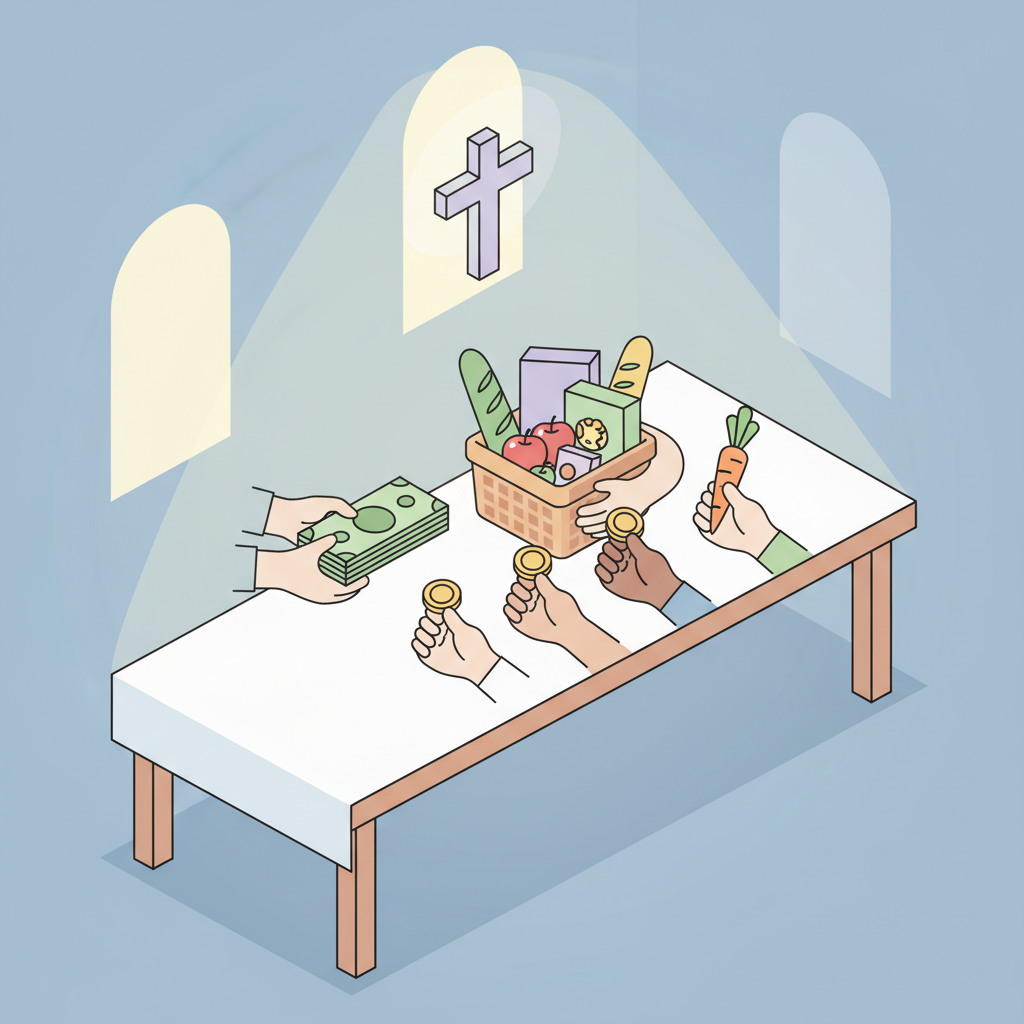
I appreciate that instinct. At my church pantry we see both kinds of care up close. One December a local business owner paid off every remaining utility bill on our list. It was stunning. People cried at the folding table where we do intake. Then January came and the bills came with it. Our volunteers were still there with canned beans; we were still calling the same overworked county caseworker to argue about a cut in benefits. The big gift hadn't fixed the pipes; it simply gave everyone one clean, beautiful breath.
Research so far is less alarming than some feared. A 2023 study by the Center for Effective Philanthropy found that most organizations receiving large, unrestricted grants like Scott’s did not see other donors back away, and they generally managed the windfalls well. Leaders used the extra breathing room to raise staff pay, invest in technology, or begin endowments, which is exactly what good stewards should do. Still, you can feel the tension: use the money to grow now, or save some for when the spotlight moves on.
In schools you see that tension in staffing. A surprise check pays for three counselors and families begin to rely on them; kids form real bonds. Then the grant cycle ends, or a donor shifts focus, and suddenly everyone is asked to do more with less. I’ve watched that whiplash play out, even with smaller grants. The children who lose a beloved mentor don’t care about a white paper warning against “philanthropic dependency”; they only know that someone they trusted has been quietly taken from their day.
There’s a cultural shift that happens when survival depends on being chosen. Many of Scott’s grants arrive without an application; nonprofits are quietly identified behind the scenes. For those who get the call, it spares the exhausting ritual of retelling painful stories to win support. But if you’re the group across town doing the same work, serving the same kids, and your phone never rings, what do you tell yourself then?
I keep coming back to my parents' bakery from when I was a kid. We never had a benefactor. We had regulars. People who showed up every Saturday, paid their tabs and sometimes ordered extra rolls because they knew my mom was using that money to help Mrs. Ortiz with groceries that week. The little shop's steadiness didn't come from one generous landlord; it came from a hundred ordinary decisions, piled up over time. Small gestures, mostly.
Big philanthropy often feels like the opposite: a flash of lightning rather than a steady power grid. That suddenness can be destabilizing, but when the flash is aimed where it matters, at HBCUs, scholarships for Native students and underfunded community organizations, as Scott has done, I'm grateful.
I don't want my students' futures to depend on whether a billionaire happens to notice the corner of the world where they live. Schools should be funded through taxes so we don't have to hold bake sales. Public budgets should treat college access and mental health care as basic infrastructure, the kind of things you don't have to beg for. The quiet expectation in a neighborhood should not be "maybe we'll get a miracle" but "of course the lights will stay on, we all pay the bill."

When Scott ended her 2025 essay with "There are many ways to influence how we move through the world, and where we land," I took it as an invitation to think bigger. Her gifts can patch things up right now, and that's important. But our job is to build a shared foundation so private generosity is a welcome extra, not the thing holding everything together.
When I picture that small literacy nonprofit today, I hope their new endowment is actually growing. I also hope parents still come in the evenings to fold newsletters and stack chairs, and that the city council hasn't quietly cut their funding because someone assumes a billionaire will cover the rest. Big gifts are wonderful. The steady stuff matters too: volunteers, municipal support, a predictable budget that lets people plan. The danger is treating a generous check as a substitute for everyday public investment.


Comments ()