
The Loyalty Game: Hotel Chains, “Exclusive” Perks, and the Real Rules of Play
Direct bookings, dynamic pricing, and the calculated generosity of the hotel industry’s loyalty machine.

Let’s get one thing straight: hotel loyalty programs were never set up for your benefit. They’re there to protect the hotels. If you’ve ever tried to use points during a busy holiday weekend or watched the number of points for a so-called free room inch upward, you already know the deal. These perks aren’t really perks; they’re tools. The official pitch is all about building loyalty, but the real purpose is to keep guests booking directly instead of drifting to online travel sites or the newer AI-driven price engines that treat every room the same.
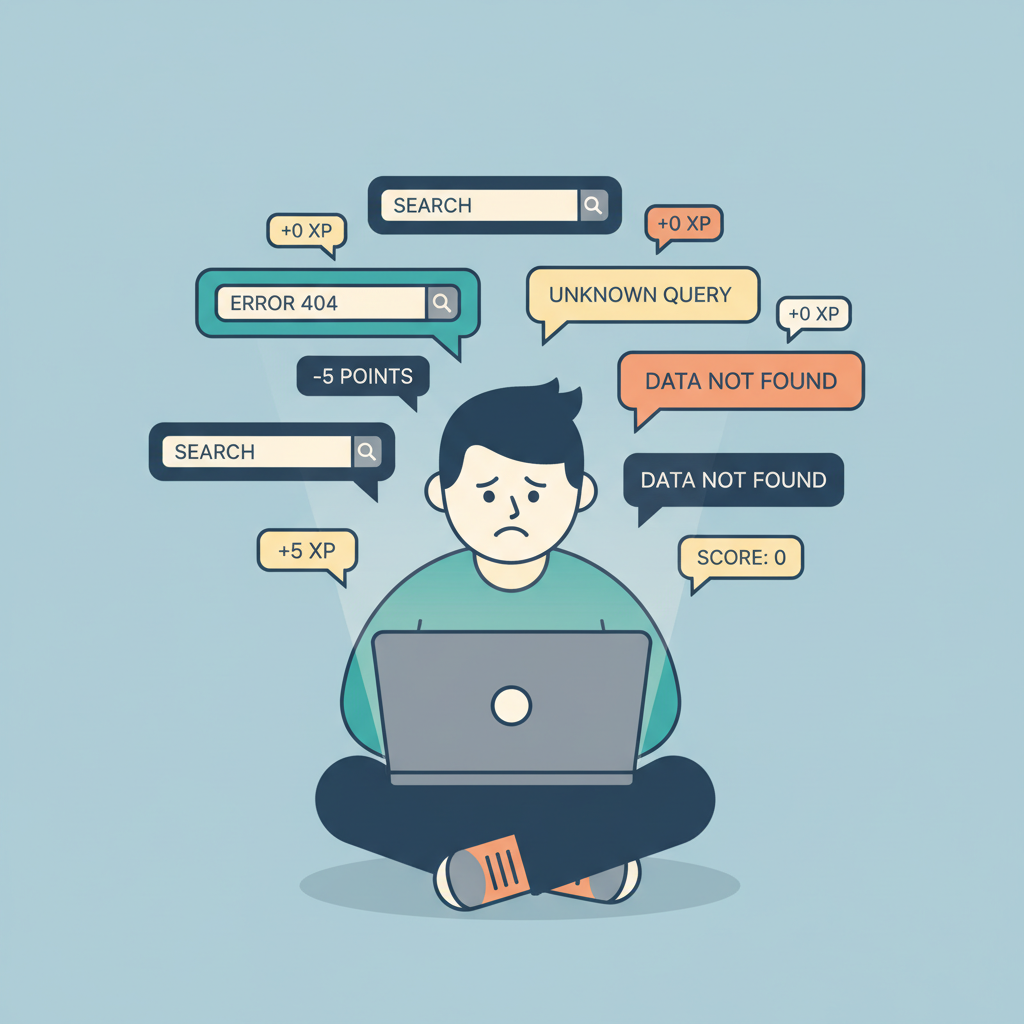
The numbers don’t budge much. Online booking sites take about 15 to 25 percent in commission, and every reservation that skips the hotel’s own channels cuts into margins that are already tight. Loyalty programs try to steer people around those platforms with small perks that feel special in the moment: a Wi-Fi voucher, a later checkout, maybe a separate line at the front desk that looks important but rarely moves any faster. Chains like Marriott and Hilton brag about their massive membership rolls not because they signal devotion, but because each person on those lists costs less to bring back and offers a bit of protection from the sway of big platforms.[1][2][3]
Look at how the system is set up. You earn points when you book straight with the hotel, not when you go through Expedia or any of the other big sites. With dynamic award pricing now common, the number of points you need rises and falls with the cash rate; when prices jump, the value of your points shrinks fast. Hotels claim to have done away with blackout dates, at least on paper, but they lean on capacity controls and shifting availability instead. Try using points for a regular room during a major event weekend and you’ll probably run into disappearing options or sky-high redemption rates that feel no different from a blackout.[4][5][6]

Point inflation isn’t an accident. It’s what happens when loyalty programs are treated like financial liabilities on a company’s books. Analysts at CBRE and elsewhere have pointed out that the cost of honoring points has been rising quicker than the money hotels make from their rooms, so brands respond by narrowing the times you can redeem and raising the number of points required. The cheerful marketing hides a spreadsheet that focuses on trimming commissions, filling rooms in the most profitable way, and keeping redemption expenses in check. Executives talk about improving the guest experience, though the real shift looks more like yield management wrapped in language that sounds generous.[1][4]
Many customers still like to imagine they can outsmart the system, swapping tips on forums, fiddling with points charts, and chasing the occasional sweet spot. Sometimes they get lucky. More often they discover an upgrade that used to cost 25,000 points now runs closer to 40,000, or that the only decent options fall on dates no one really wants to travel. Every year brings another round of so-called program enhancements, which usually mean the opposite of what the word suggests. People talk about these schemes as if they’re built on cooperation, but it feels more like two sides tuning their strategies while pretending it’s all about hospitality.
The rise of AI agents isn’t exactly keeping the major hotel groups up at night; it mostly sharpens what’s already been obvious. They’ve spent years shaping their systems to funnel every booking through their own sites, nudging people into predictable habits that mainly protect the company’s bottom line. The hassles built into these programs, from odd redemption rules to shifting tiers and disappearing award nights, often get dressed up as some kind of elite perk. The whole idea of members-only access ends up feeling like a door that opens when it helps them, just as long as everyone keeps moving the way they want.
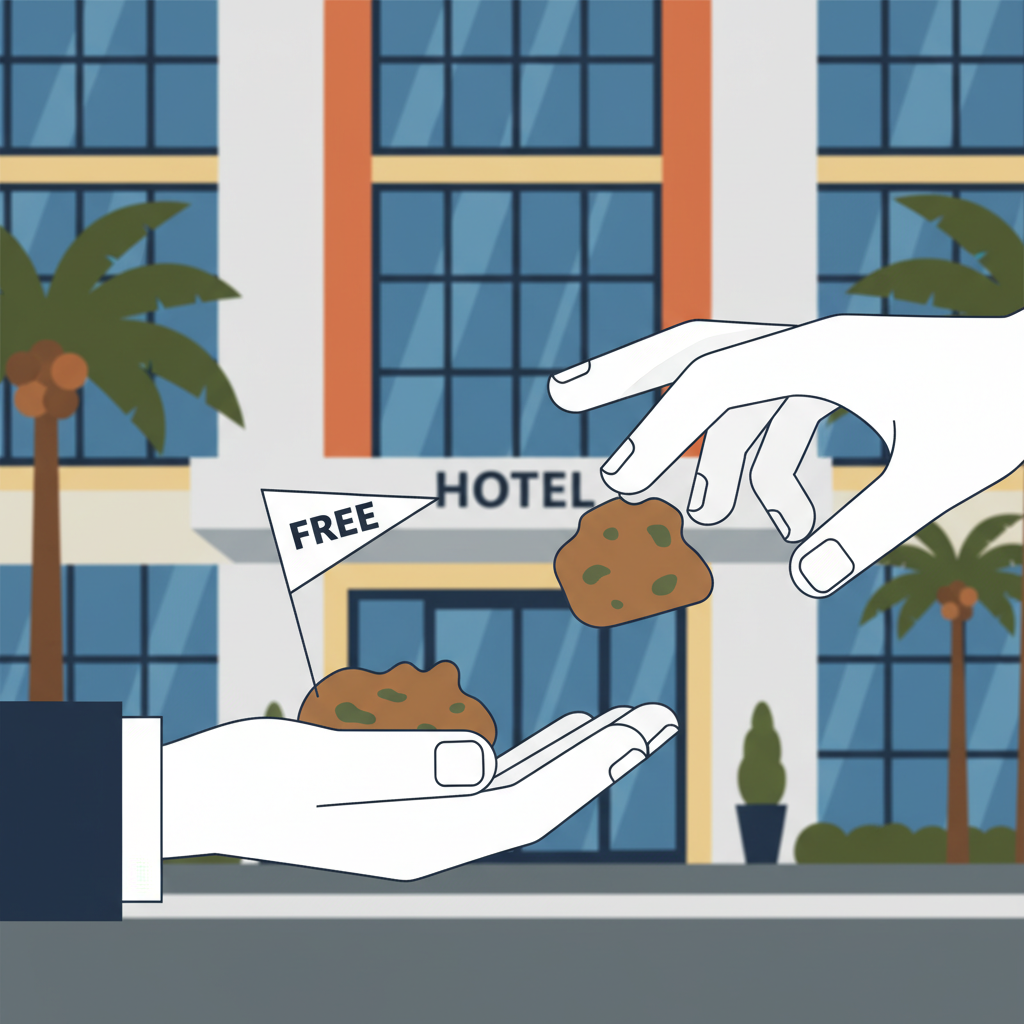
When a free snack after checkout or the lure of some shiny status makes you pause, it’s worth asking what’s actually on the table and what’s quietly kept off it. The upside rarely sits on your side anyway. These programs use loyalty as a tool, not a gift. If the reasoning behind a perk feels muddy, you can assume you’re the piece they’re moving to keep their numbers tidy.
Sources
- https://www.ft.com/content/b4ee6ec8-cfdc-4f28-b4ab-65baf611125b
- https://www.hospitalitynet.org/opinion/4129238.html
- https://www.travelandtourworld.com/news/article/marriott-hilton-wyndham-battle-otas-for-25b-in-fees-can-airlines-like-delta-and-american-join-the-fight/
- https://onemileatatime.com/guides/blackout-dates-hotel-points/
- https://www.thepointsguy.com/loyalty-programs/what-is-dynamic-award-pricing/
- https://www.sailtech.ai/post/10-key-loyalty-program-metrics-for-2024



Comments ()