
Trump’s Offshore Wind Pause Isn’t About Whales. It’s About Power.
When data centers are begging for megawatts, freezing turbines is not a policy—it’s a message.

I guess the only place to begin is with how ridiculous it all is.
While AI facilities burn through power at a pace that feels almost cartoonish, the Trump administration has picked this moment to put offshore wind on pause. Not a small pause either; they’ve ordered work to stop on five major projects that were already moving ahead. One of them is Dominion Energy’s Coastal Virginia Offshore Wind project, sitting off the coast near the stretch of northern Virginia packed with data centers.
Nobody stumbles into a decision like that. It’s meant to say something, loud enough that people can’t ignore it.
On the surface, the Bureau of Ocean Energy Management’s pause comes across as a careful pause to think things through. Dominion’s lawsuit insists the order violates the Constitution and tosses around words like unlawful and arbitrary, as if the agency forgot its homework. But the whole thing feels less like a noble defense of legal principles and more like a political shove to remind everyone who actually holds the leverage.
The timing is hard to ignore. Dominion isn’t some tiny environmental group trying to punch above its weight; it’s a huge utility that powers the AI and cloud facilities popping up all over Virginia. The Verge notes that the Coastal Virginia Offshore Wind project is supposed to help support that growing appetite for electricity as data centers keep multiplying.
When a turbine sits idle, the system slips back to what it knows: gas plants, aging coal units that should already be gone, and so‑called temporary fossil backups that have a way of sticking around. And the folks who gain from that are pretty obvious. Companies running fossil generators, utilities trying to squeeze a bit more life out of their old thermal plants, and politicians who lean on the idea that clean energy can’t be trusted all end up with the upper hand.
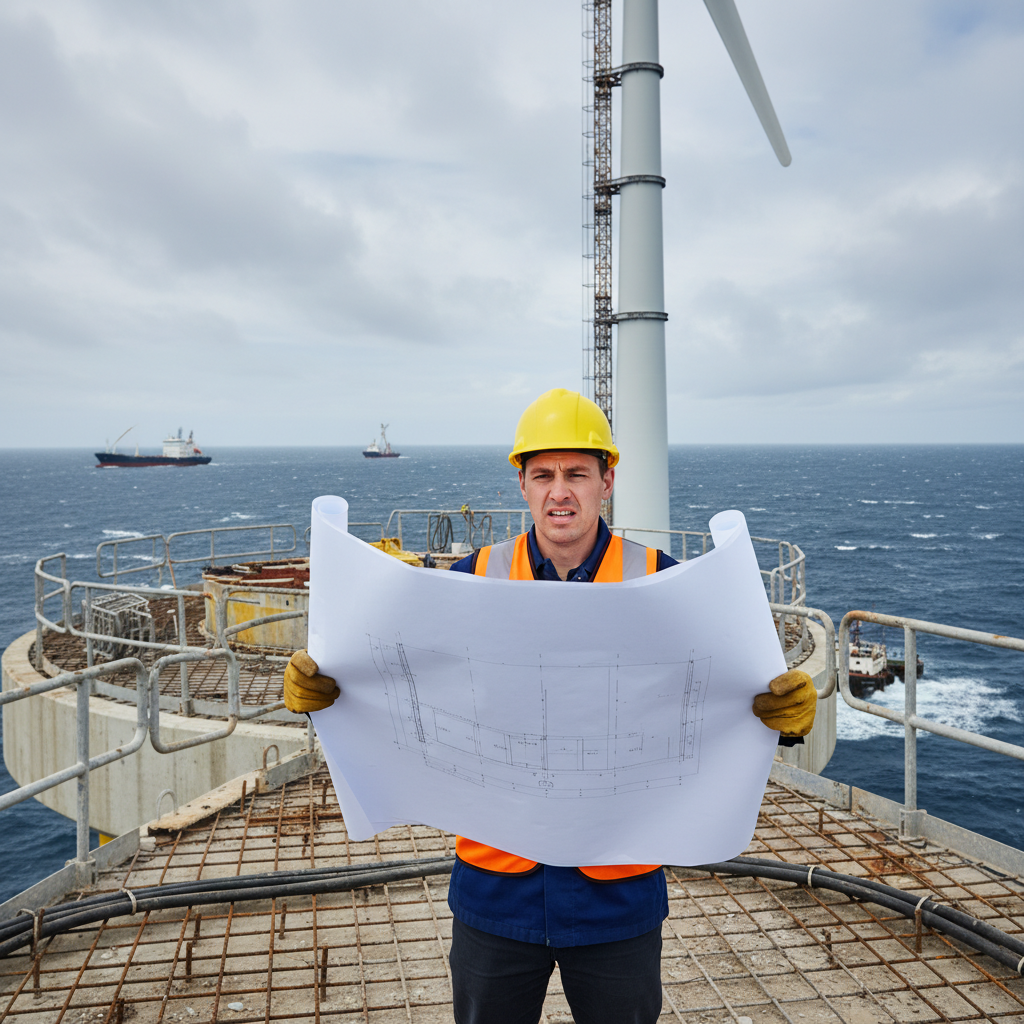
The public line leans heavily on procedure. Environmental checks, constitutional duties, the whole script. You can almost hear the rehearsed lines already saying they’re simply sticking to the rules, looking out for people, taking their time to make sure everything is done properly.
Right, and I guess I eat cake so I can practice using a fork.
Let me put it plainly: environmental review isn’t some imaginary hurdle. We’ve seen projects damage marine areas and hurt coastal towns before. Still, Dominion raises a fair issue here. Coastal Virginia had already jumped through every federal, state, and local requirement. Work started in 2024. The company had its permits lined up, money sorted out, and a schedule in place. Then BOEM stepped in partway through and suddenly ordered everything to stop, as if the whole thing had come out of nowhere.
That’s not sensible caution by any stretch. It feels more like someone shifting the rules after the play already started.
Dominion’s legal team keeps pointing to the Constitution, and there’s a practical reason for that, though calling it some sweeping constitutional crisis feels like a stretch. That framing turns the company into a sort of guardian of government safeguards, when in reality it’s a well‑funded utility trying to protect a project timeline that happens to match what its investors and big industrial clients want to see.
So the real question is pretty simple: whose pocket takes the hit every time one of those turbines sits idle?

Dominion takes the hit first, and so do the contractors tied to the job. The companies that set up their factories to turn out blades and foundations feel it too. Eventually the costs land on ratepayers, since every delay pushes up financing and construction expenses that get folded into monthly bills. The Verge pointed out that Dominion has already cautioned that customers will end up covering those extra costs if the slowdown drifts on.
So who comes out ahead while everyone else deals with the mess?
Right now, anyone selling power into that market without a fresh wave of low‑cost wind nipping at their heels stands to gain. That includes the gas plants already running, along with the companies supplying their fuel. It also keeps some coal units hanging around longer than they probably would have. And then there are the politicians who’ve staked their identity on arguing that renewables undermine the country’s energy clout; they rely on splashy stories about clean projects falling apart to keep that claim alive.
The debate isn’t really about whales or scenery, and it’s not hinging on obscure legal details either. What’s actually at stake is who gets to decide how quickly the energy system shifts, especially now that AI is pushing electricity demand to climb much faster than anyone expected.
Whoever gets to decide how fast things move is the one who ends up steering where the money goes.
Dragging out offshore wind ends up helping in a few ways for people who prefer the status quo. It keeps oil and gas companies from losing ground too quickly. It also puts on display how easily federal officials can put major energy projects on ice, which sends a pretty clear message about power. And clean‑energy firms get the hint that their schedules depend on staying on the friendly side of whoever decides what counts as orderly progress.
Dominion’s sudden appeal to constitutional language feels like a tactic. It turns what is mostly a fight about keeping a project on track into a kind of public‑spirited lecture. Courts tend to like that framing, and it fits the current political mood where complaints about federal reach get easy cheers. What gets pushed to the background is Dominion’s own history. This is a monopoly that slowed climate work whenever it helped their bottom line, and now it’s presenting itself as a champion of fast clean‑energy buildout because the company’s newer plans rely on it.
It’s tempting to frame this as a simple showdown: an irritated White House versus a power company chasing profits. The story is tidier that way. But the two sides may not be as far apart as they look. Both seem focused on shaping the pace of grid changes and making sure those changes favor their own interests.
If the stoppage from BOEM fit into some kind of understandable plan, it would probably be obvious by now. We’d have a public set of rules explaining when big offshore projects can be put on hold, how long the extra reviews take, and how officials expect to juggle the surge in data‑center demand with climate goals and keeping the grid steady. Instead, we’re left with surprise pauses, one‑off fights, and legal battles that seem to flare up without much warning.
That’s not a plan in any meaningful sense; it feels more like energy policy built on impulse.
And those vibes come with a price. Dragging out a big infrastructure project for another year doesn’t just nudge Dominion’s books; it also means more emissions hanging around, and data‑center demand getting filled by whatever fossil setup can get through permits fastest. It leaves people hearing they have to put up with extra pollution while the cleaner alternatives sit tied up in court.
If you’re trying to understand what’s actually at stake here, look at who manages to keep their cash flow untouched while everyone else gets wrapped up in abstract legal debates.

Offshore wind gets packaged as a clean engineering story: towers at sea, long cables, bright illustrations of calm water and thriving fish. This case pulls the curtain back. The real struggle has more to do with who controls the timeline and the story people hear. It comes down to who can call for a slowdown, who can hint they might bail, and who can warn about outages or soaring costs if things don’t go the way they want.
Energy policy has always mixed electricity with plain old leverage. Cases like Dominion’s make it hard to pretend the shift from fossil fuels to cleaner options follows some tidy script. It’s messy, crowded, and tense, the sort of place where people jostle for position and don’t bother hiding it.
When someone brushes off a holdup on a wind project as nothing more than procedure, try pushing back a little and ask who actually benefits from the slowdown.


Comments ()