
What the Doctors’ Strike Teaches About Systems on the Brink
Resident doctors’ strikes in England aren’t just about pay. They’re a warning that workload, staffing, and training bottlenecks have pushed the NHS past its safety limits. Ignore that maintenance, and both staff and patients bear the cost.

Want to see what happens when a system runs hotter than it was built for? Don't stare at an engine. Walk into a hospital in December.
Resident doctors in England are preparing their 14th strike since 2023, a five-day walkout set for 17 to 22 December.
On paper, the BBC’s account is straightforward: a long-running pay dispute, rising costs, and a government that says it has already been generous. Doctors have had pay rises totalling about 22% across 2023 and 2024, with another 5.4% due in 2025. A first-year’s basic salary is £38,831, rising to £44,439 in the second year and to roughly £73,000 after eight years or more in training.

On paper the figures look like progress. Then you check the guardrails meant to keep work humane and the system safe. That's where it falls apart.
Even with the recent rises, the British Medical Association says resident doctors are still about 20% worse off in real terms compared with 2008 once you factor in inflation and the way student loan interest is calculated. The Nuffield Trust partly confirms that: using the government's preferred CPI measure, basic pay is down around 5% since 2008, but with the higher RPI the fall is closer to 20%. At the same time workloads have increased, waiting lists have grown, and the NHS is heading into winter already, "under huge pressure" from flu and other infections, as the BBC reports.
Roughly half of England’s doctors are residents: they staff A&E, hospital wards and GP surgeries, yet their pay has fallen in real terms while the work has piled up. Training can stretch a decade or more, with placements scattered around the country, little say over where you end up, and significant debt hanging over many trainees. In 2025 more than 30,000 people applied for about 10,000 specialist training posts. The government now plans to add 4,000 posts by 2028, up from an earlier proposal of 2,000; that increase is welcome but underlines how the pipeline upstream has been too small for years.
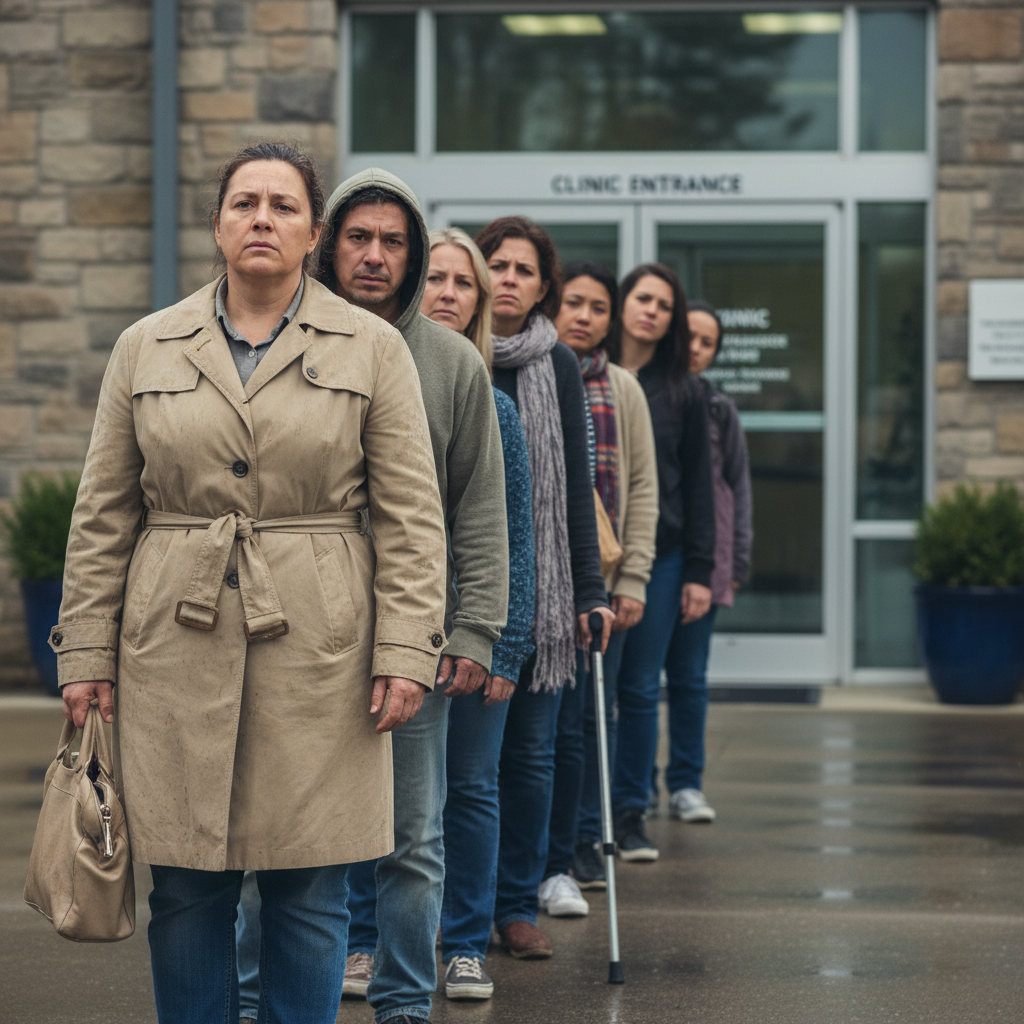
Imagine a resident doctor on a busy medical ward. She might be six or seven years out of medical school, covering nights and weekends and taking responsibility for most of the day-to-day care for dozens of patients. She’s the person your mother will see at 3 a.m. when chest pain spikes. Her pay is a little higher than it was two years ago, but the rota is brutal; every vacancy means someone else picks up an extra shift. Every delay in getting a specialist training post stretches the uncertainty into another year, another year spent wondering if there will be a stable job at the end.
Systems break down in stages. At first the compromises are quiet: missed breaks, patient notes finished at home, and an unrecorded half hour tacked onto every shift. Then the strain becomes visible: longer waits in A&E, doctors rushed off their feet with no time to explain test results, and a revolving door of locums plugging the gaps. A strike is the moment when that quiet improvisation turns into open refusal.
Patients feel the disruption straight away. In previous strikes hospitals were told to cancel routine appointments only in "exceptional" cases, but when you pile that on top of winter pressures "exceptional" becomes the norm. The NHS says emergency care will continue and urges people to seek help for life‑threatening problems, which is right. Still, thousands of non-urgent appointments and operations are likely to be pushed back again, and behind every one of them is a real person whose recovery, diagnosis or peace of mind is delayed.
I've spent my career in public services, not in medicine, but the pattern is familiar. Pay gets frozen "for a couple of years" in the name of fiscal discipline. Workloads creep up, posts go unfilled, and managers lean on professional pride to keep things going. They assume the people on the front line will keep turning up and absorb the shock because the work matters. More often than not they are right. Until one day they are not.
What would proper maintenance actually look like? It has to be more than tacking a few training posts on at the last minute. Start by being honest about the numbers. If, as the Nuffield Trust suggests, pay has fallen by about 5% on your own inflation measure since 2008, admit it. Don’t get clever about which index you pick when the people you rely on are living under a different one because of loan interest.
Matching workforce planning to reality is essential. Tens of thousands of applicants chase roughly 10,000 specialist posts (the narrow bridge between costly training and a steady role), so that bottleneck cannot be treated as an afterthought. The government's pledge to add 4,000 posts by 2028 and to prioritise doctors trained and working in the UK is a step in the right direction, but real maintenance asks a different question: what number would keep the pipeline from backing up in the first place?
Third, treat hours and staffing with the same seriousness you give the budget. Tracking safe staffing ratios and insisting on proper rest breaks isn't glamorous, but it's what keeps a busy winter from tipping into burnout and mistakes. If vacancies force constant overtime, don't call it a scheduling quirk; call it a red flag that the system is running beyond its limits.
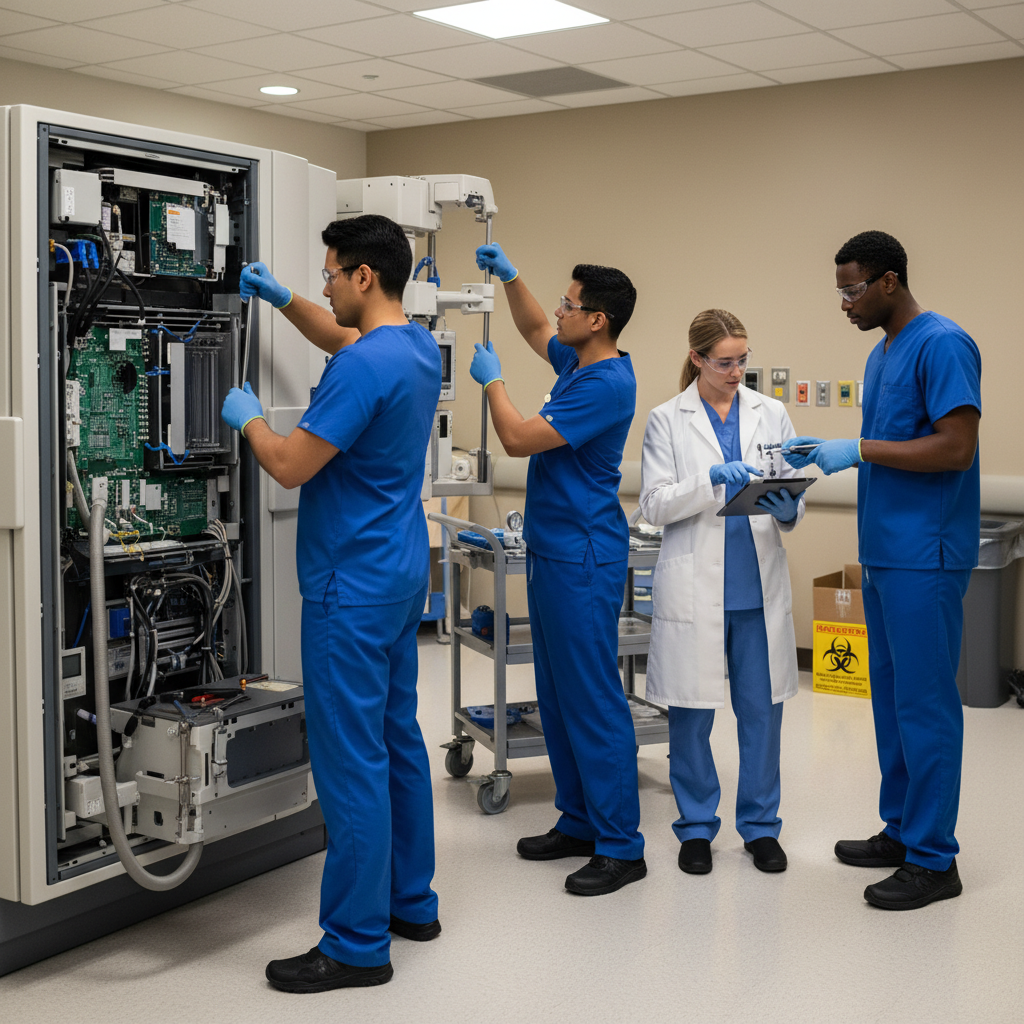
None of this makes strikes painless. There’s no tidy outcome where everyone gets what they want and no one’s surgery is postponed. The trade-offs are real and public money is limited. But when a core workforce walks out 14 times in less than three years, this isn’t a temper tantrum; it’s a sign the institution has deferred maintenance for too long.
The takeaway is simple. Systems don't fail all at once; they sag where we ignore them. If you want a health service that's there when you need it most, you can't treat staff as an afterthought or safety rails as optional. Someone has to keep tightening the bolts before winter arrives. If you skip that job, sooner or later the people carrying the load will put it down, and they'd be right to do so.



Comments ()