
When the Fed Sounds Calm and Nervous at the Same Time
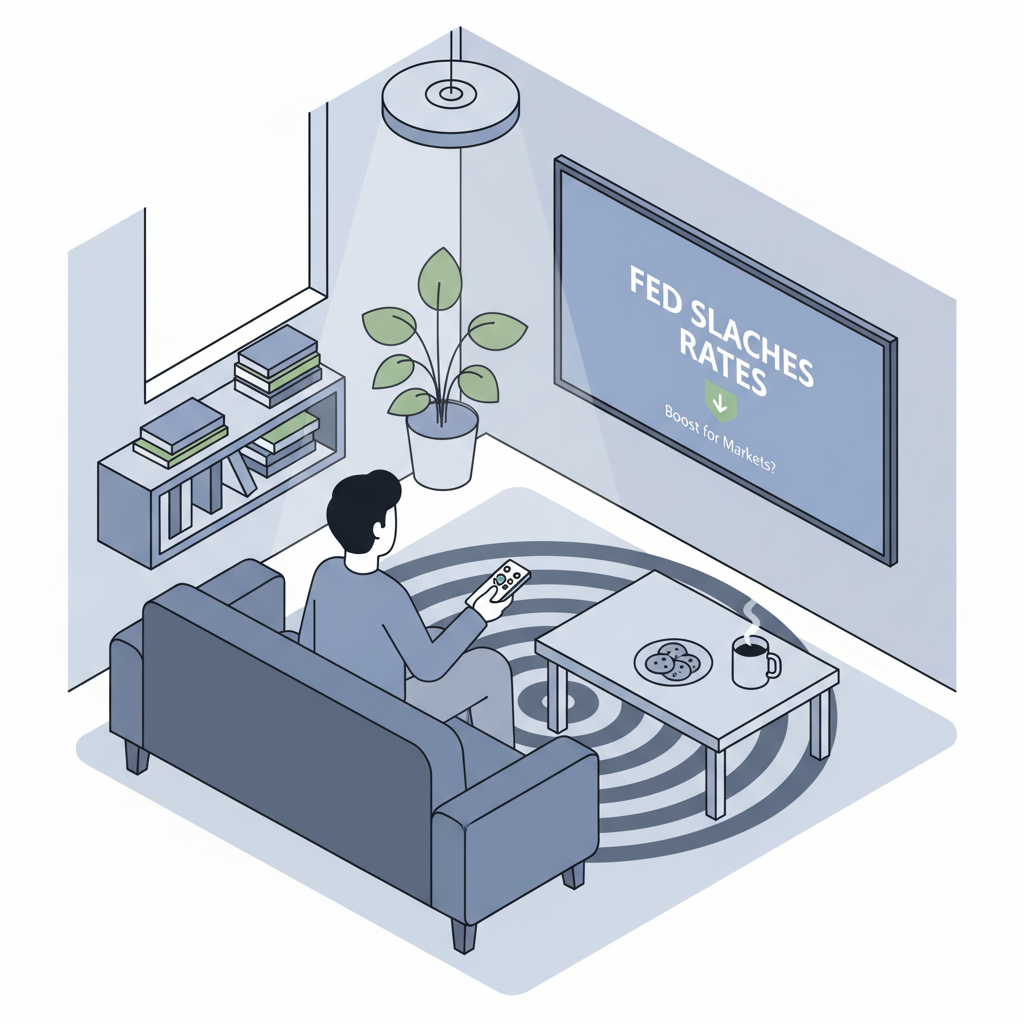
I was making coffee when a headline crawled across the TV: Fed cuts rates by 0.25%, and Powell says there's 'no risk-free path.' In one line you get a green light and a warning sign nailed to the same post. Lower rates are supposed to be good news; 'no risk-free path' is the sort of thing you hear before a risky operation.
Yahoo Finance’s live coverage showed the Fed trimmed its policy rate by a quarter point at the last meeting of the year, and investors immediately started working out what that could mean for 2026 and beyond. Powell’s line about there being “no risk-free path” captured the tension: the Fed is easing a bit to support a slowing economy, but it’s also warning that this isn’t a smooth glide back to cheap money and effortless growth.
Most people don't live in dot plots or press conferences; they live with car payments, rent checks and grocery bills. So when the institution that effectively sets the price of money says, "Here's a little relief, but don't get comfortable," it upends the simple rules of thumb people rely on to keep their finances running. Suddenly those mental shortcuts, like what to save or when to borrow, feel unreliable.
Most people I've worked with run their finances on simple rules of thumb, not spreadsheets. "If the Fed is cutting, things must be bad, so save more." Or the opposite: "If rates are going down, time to borrow and buy." They’re crude and they leave out a lot of nuance, but they’re fast, which matters when you’ve got twenty minutes between work and picking up the kids.
A mixed message from the top throws those short, practical rules out of line. Is a cut a life raft or a party invite? Powell is talking about tradeoffs between inflation and jobs; most people hear something simpler: the usual stories aren't fully reliable anymore. That matters because people rely on quick rules they can use on the fly, and uncertainty breaks those shortcuts.
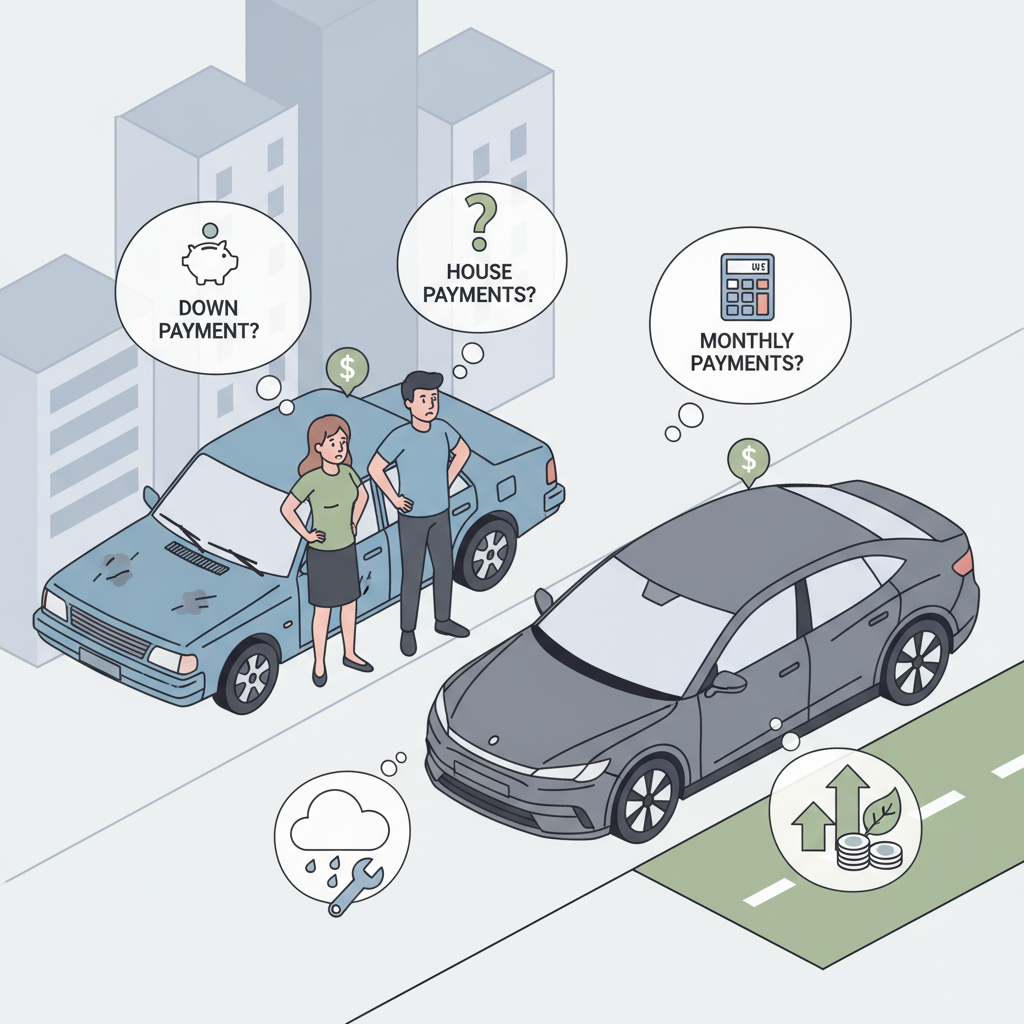
One simple example I hear all the time: a couple with a twelve-year-old sedan eyeing a newer car. Their standing rule has been, "We only finance when rates are low and our jobs feel solid." That rule worked when signals moved together. When jobs were strong and the Fed was hiking, the story felt straightforward: tighten the belt but jobs were steady. When the job market was weak and the Fed was cutting, the message was also clear: hunker down and avoid new debt if you can.

Imagine them hearing about that quarter-point cut with Powell’s caveat tacked on. Their jobs are okay, not great. Prices at the supermarket have stopped leaping but are still higher than they'd like. The Fed is cutting because it's worried, but worried in a specific way: trying not to reignite inflation while also avoiding strangling the labor market. Their old rule suddenly feels flimsy. If they follow the 'low rates, buy' script they could lock themselves into a five-year loan just before layoffs hit or before borrowing costs climb again. If they follow the 'bad news, save' script they keep pouring repair money into a car that might not make it through the next winter.
People rarely respond with a calm spreadsheet. What usually happens is a subtle tweak to the old rule of thumb to cope with the new fog. The couple might say, “We’ll only buy if the monthly payment fits inside what we’re already spending on repairs and gas, and we’ll keep three months of that payment in cash.” The trigger isn’t the Fed’s stance or some vague economic vibe anymore; it becomes a tighter, personal test that works whether the bigger story swings one way or the other.
When things get noisy, people quietly swap broad, confident rules for narrower, conditional ones. “Always buy a house when rates drop” often becomes, “We’ll only buy if a fixed mortgage payment is less than our current rent and we plan to stay put for at least seven years.” And “Max out the stock market when the Fed is easing” usually turns into something like, “We’ll keep retirement contributions steady but hold a little extra cash in case prices bite again.”
Markets do much the same. Investors cheered the quarter-point cut and stocks rallied, but the celebration felt muted: traders combed the forward guidance for clues about 2026. That small relief didn’t bring back the old easy-money playbook; it simply bought time while everyone rewrites their plans around a Fed that, plainly, says there’s no painless path back to normal.
The real risk for most of us is getting pulled around by those official narratives. When the Fed sounds reassuring, people relax — swipe the card, agree to a slightly bigger monthly payment than they probably should. When it sounds nervous, they brake hard and replay every purchase from the last month with regret. That back-and-forth feeling, more than steady caution or unending optimism, is what actually hurts your finances.
Because I’ve spent more time wrestling with city budgets than riding bull markets, I treat the Fed’s statements as background, not orders. I listen closely, but I only change habits after asking three simple questions: if things stay this way for three years, will I be okay; if they get a bit worse, can I absorb it; and if they unexpectedly improve, will I regret being too cautious? I tweak my rules of thumb so they pass those tests, not so they line up with whatever Powell says that week.
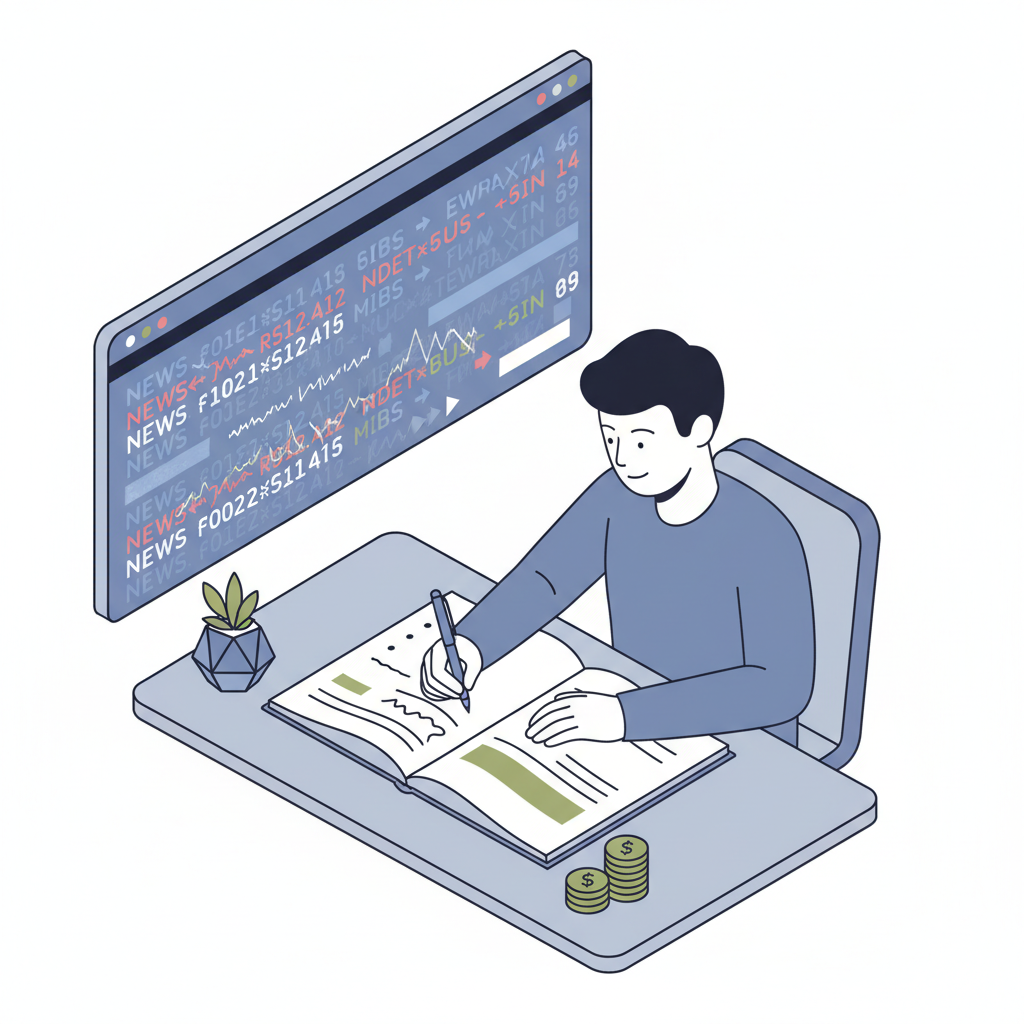
When you hear “rate cut” and “no risk-free path” in the same sentence, don’t try to guess the Fed. Rework your own simple rules instead, assuming more mixed signals ahead. Tie them to numbers you actually control: the biggest monthly payment you can handle without stress, the minimum cash cushion you keep, and how many years you’re willing to bet on any single decision. Let the narratives clash on the screen; your job is to keep a small, clear rulebook so you can still sleep when the next headline flashes by.
Sources
- https://finance.yahoo.com/news/live/live-coverage-federal-reserve-cuts-interest-rates-by-025-powell-warns-theres-no-risk-free-path-134139574.html
- https://www.citizensbank.com/learning/fed-interest-rate-cut-impacts.aspx
- https://www.chase.com/personal/investments/learning-and-insights/article/fed-meeting-december-2025
- https://www.federalreserve.gov/releases/h15/

Comments ()